Importance of Regular Floor Safety Audits
Audit that Saves you Money
Most of the hazards we find on audits were sitting in plain sight for weeks before anyone slipped. Regular floor safety audits catch those problems early, cut your liability, and keep you compliant with safety regulations. A few reasons to put them on the calendar:
Why Regular Floor Safety Audits are Essential
- Identify Hazards Early: Routine inspections help detect potential hazards such as wet spots, uneven surfaces, and loose tiles before they cause accidents.
- Legal Compliance: Adhering to OSHA and other safety regulations reduces legal exposure and demonstrates a commitment to safety.
- Cost-Effective: Preventing accidents through audits can save on costly litigation, compensation claims, and insurance premiums.
- Improve Employee Morale: Staff report hazards faster when they see them getting fixed.
- Enhance Reputation: Businesses known for their safety measures attract more customers and retain employees.
Steps in Conducting a Floor Safety Audit
- Visual Inspection: Check for visible hazards like spills, debris, and floor damage.
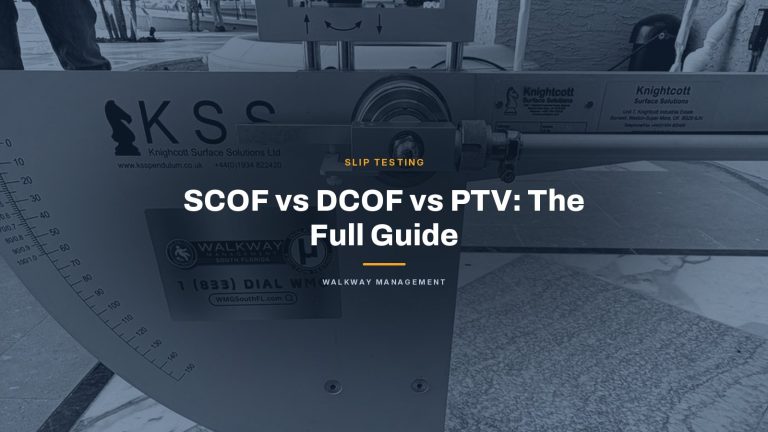
- Surface Testing: Use slip resistance testing devices to measure floor friction.
- Review Cleaning Procedures: Ensure that cleaning protocols effectively maintain floor safety.
- Employee Feedback: Gather insights from employees who may have noticed unsafe conditions.
- Documentation and Action: Record findings and implement necessary corrective actions.
Benefits of Regular Floor Safety Audits
Build regular floor safety audits into your maintenance routine and you’ll catch the hazard before somebody’s lawyer does.
Get a free quote or call 1-833-DIAL-WMG to have your floors tested.