
Slip Resistance Testing
Know exactly how slippery
your floors are.
Calibrated, standards-based measurement of your walking surfaces, wet and dry, with documentation built to hold up in claims, audits and court.
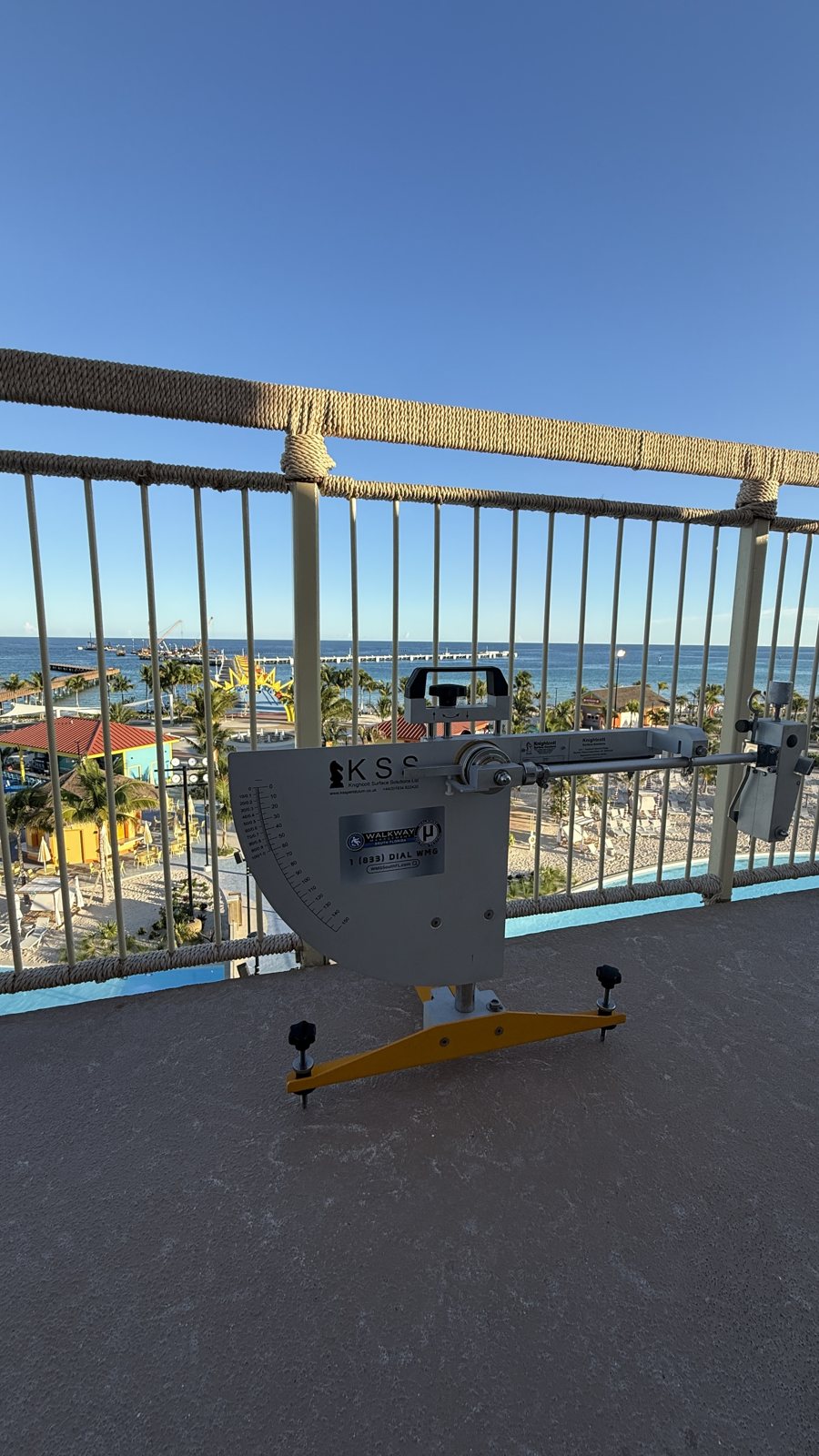
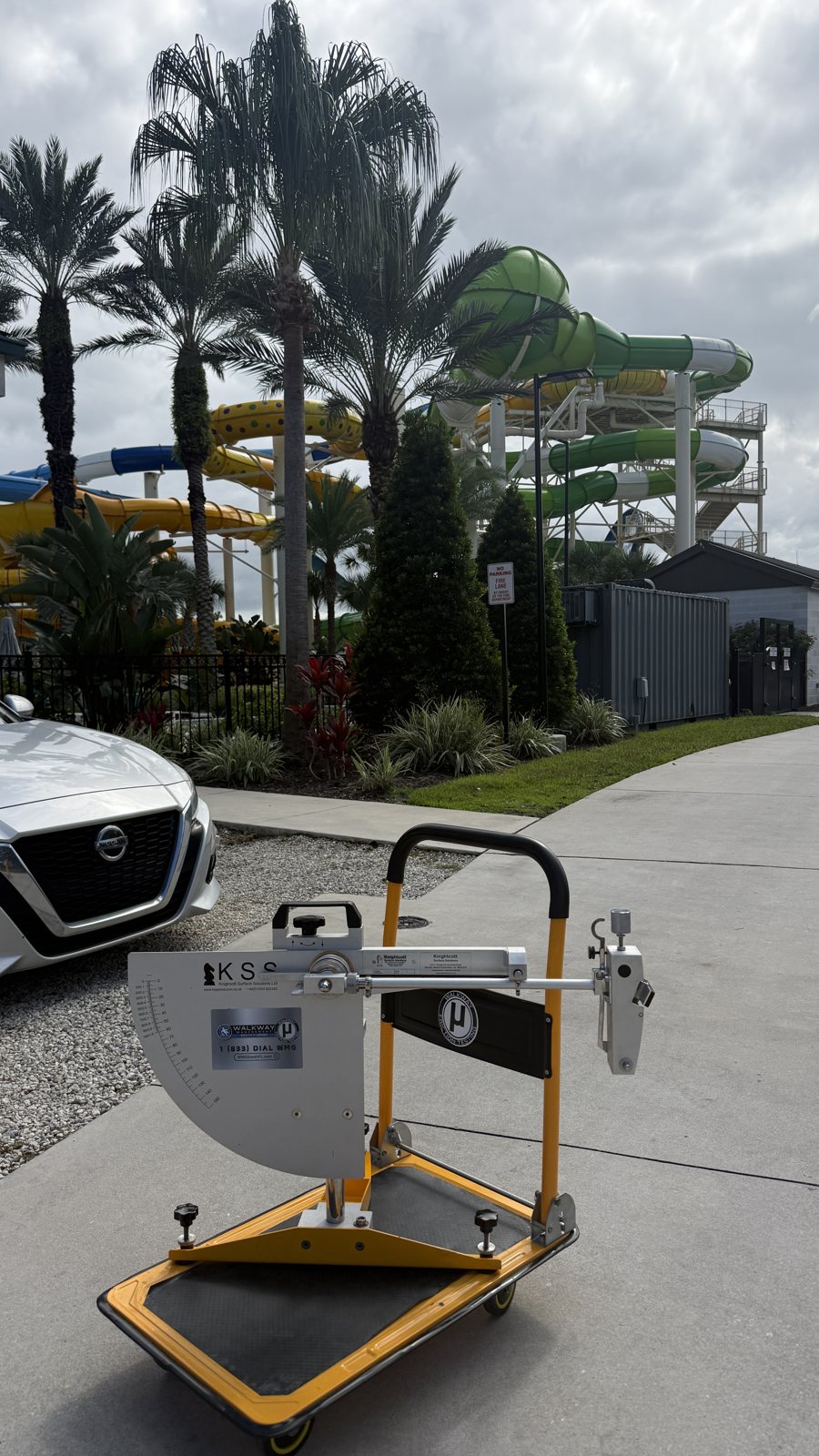
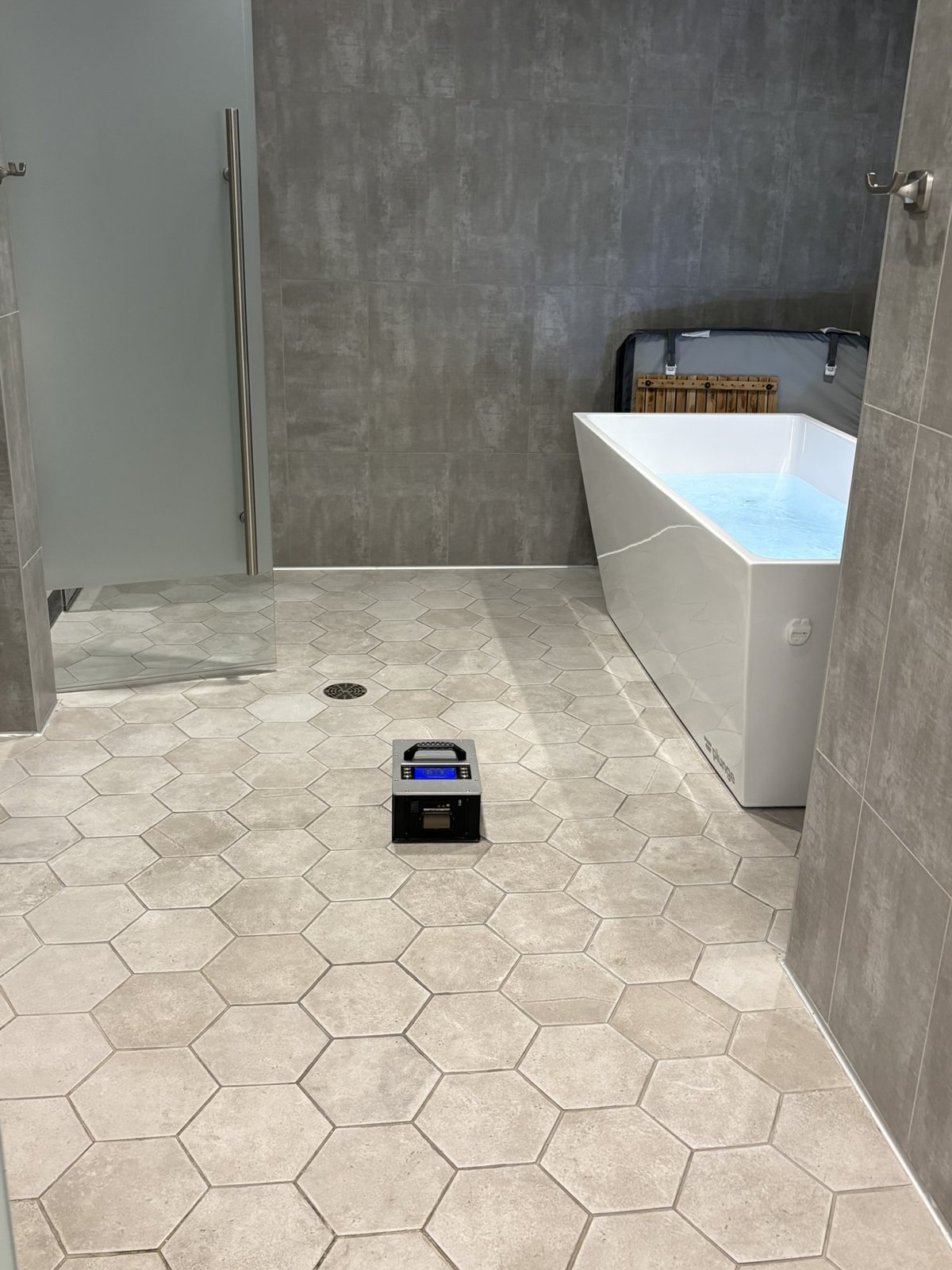
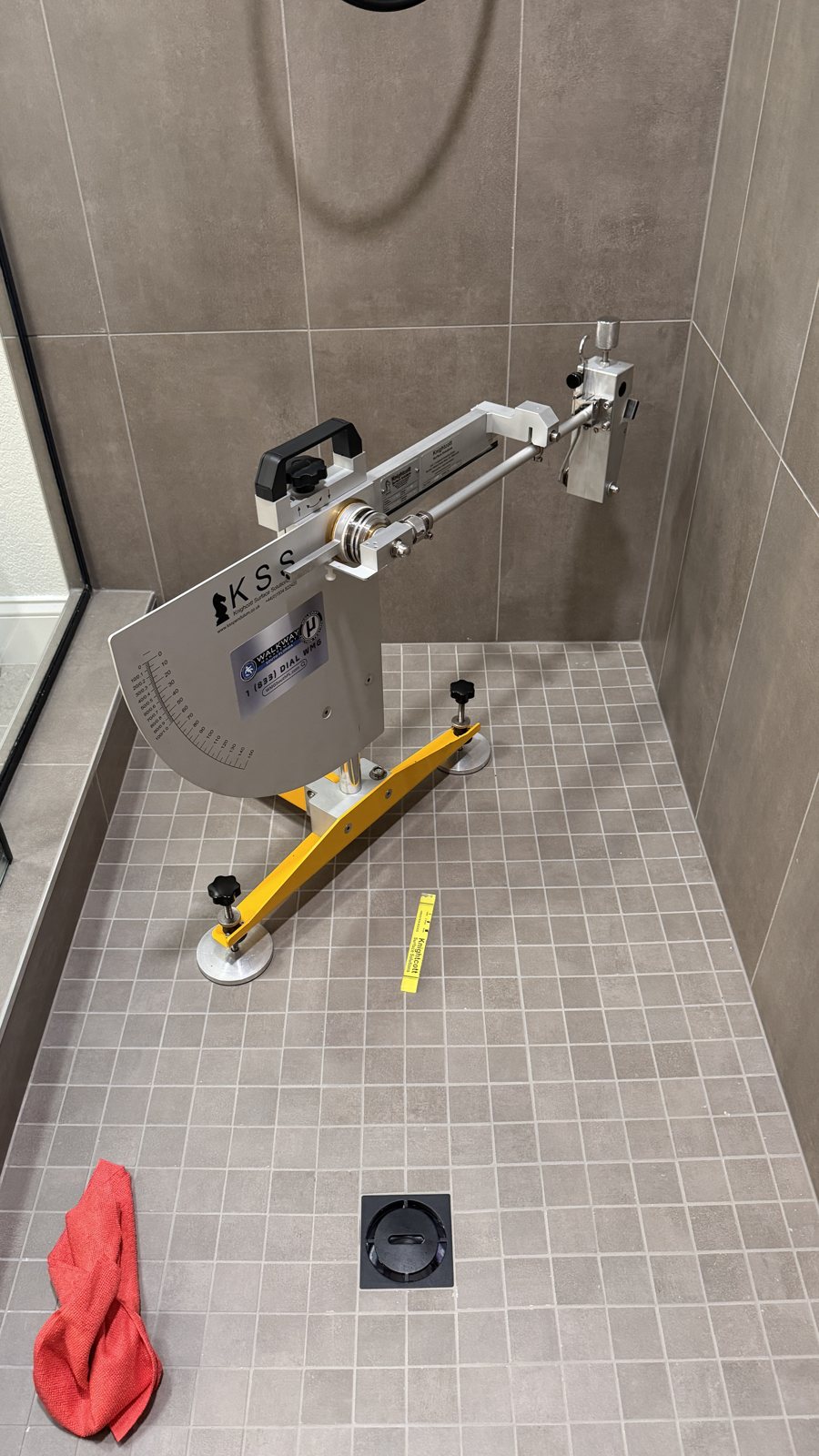
From the field
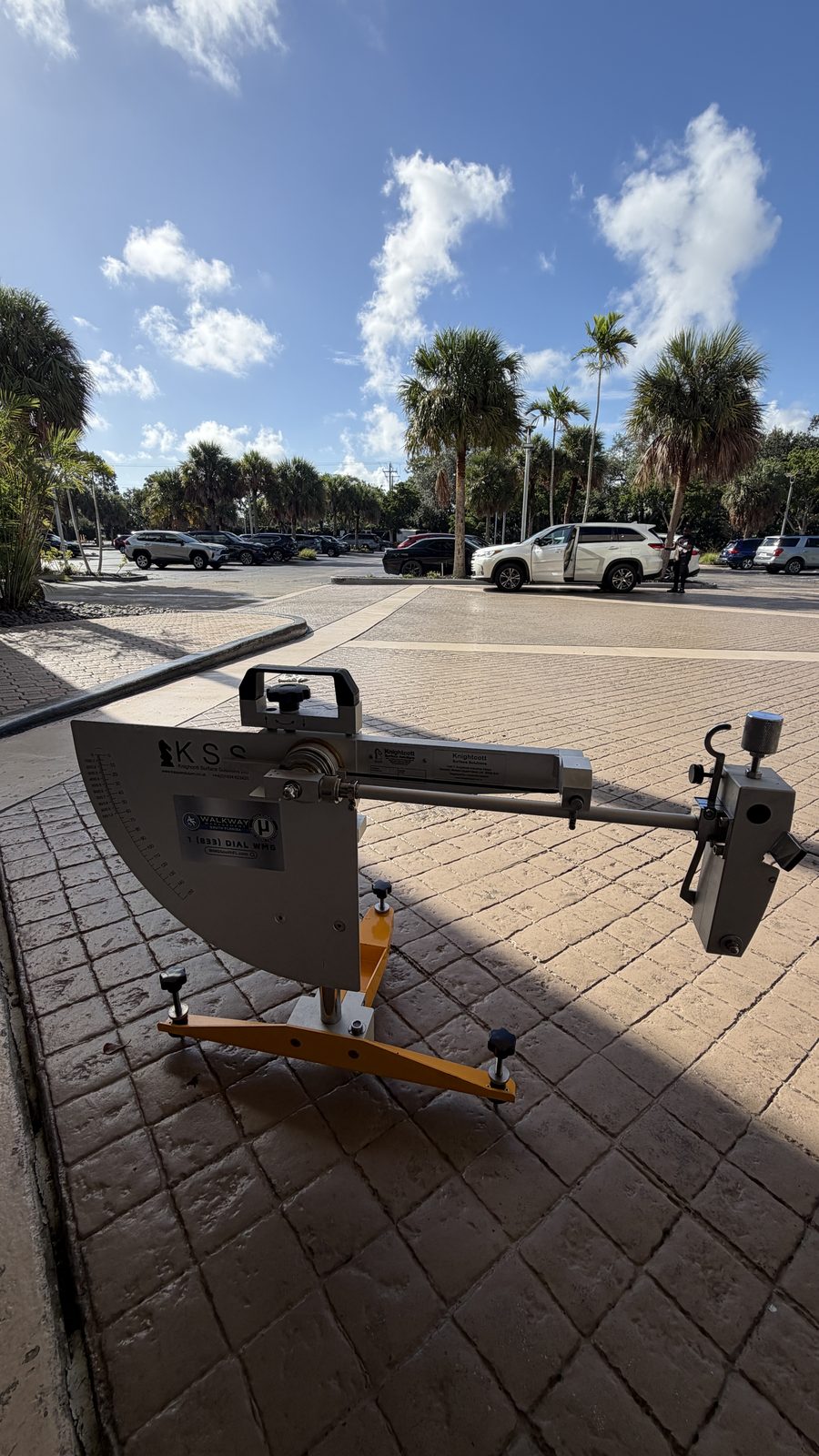
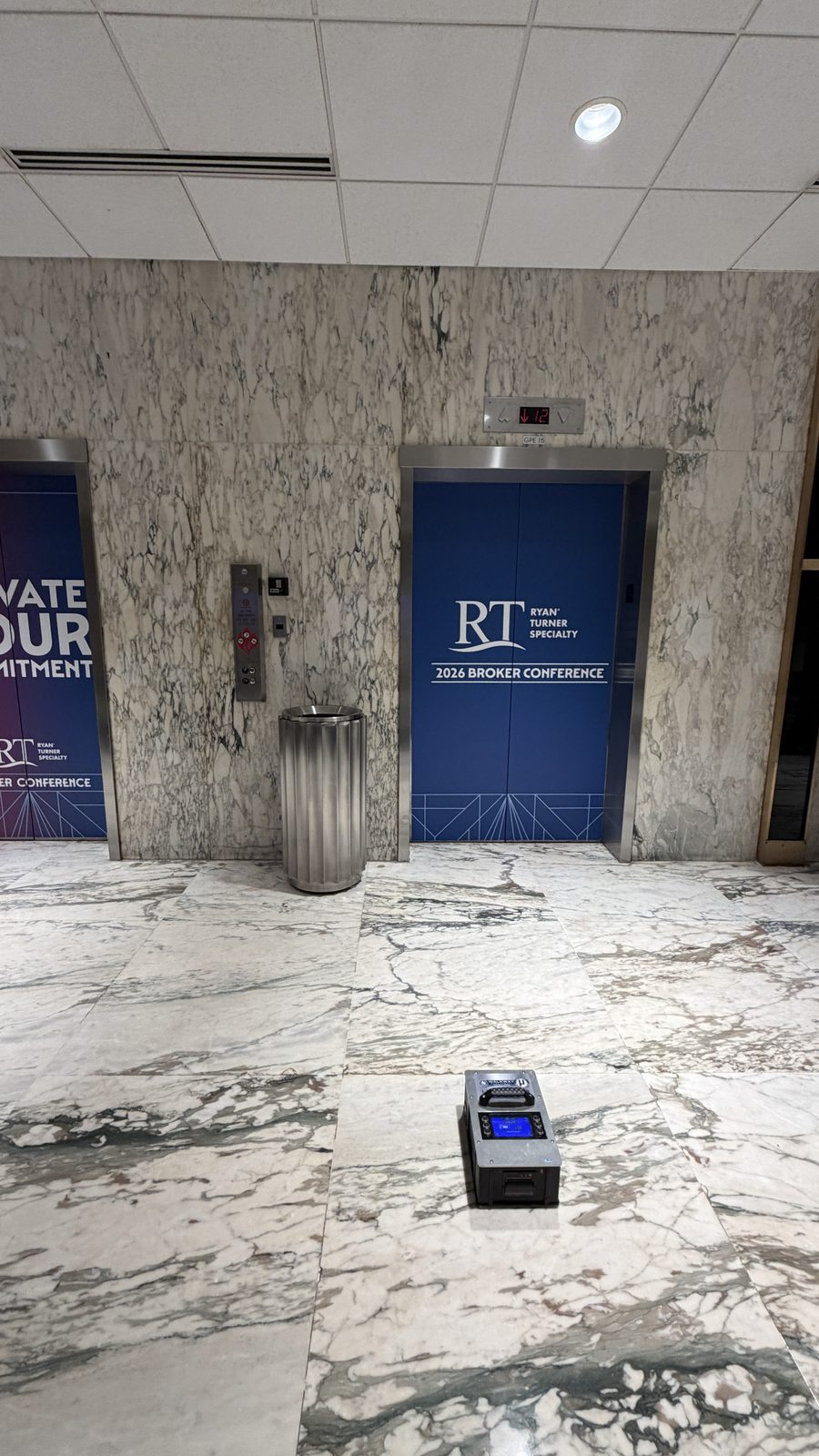
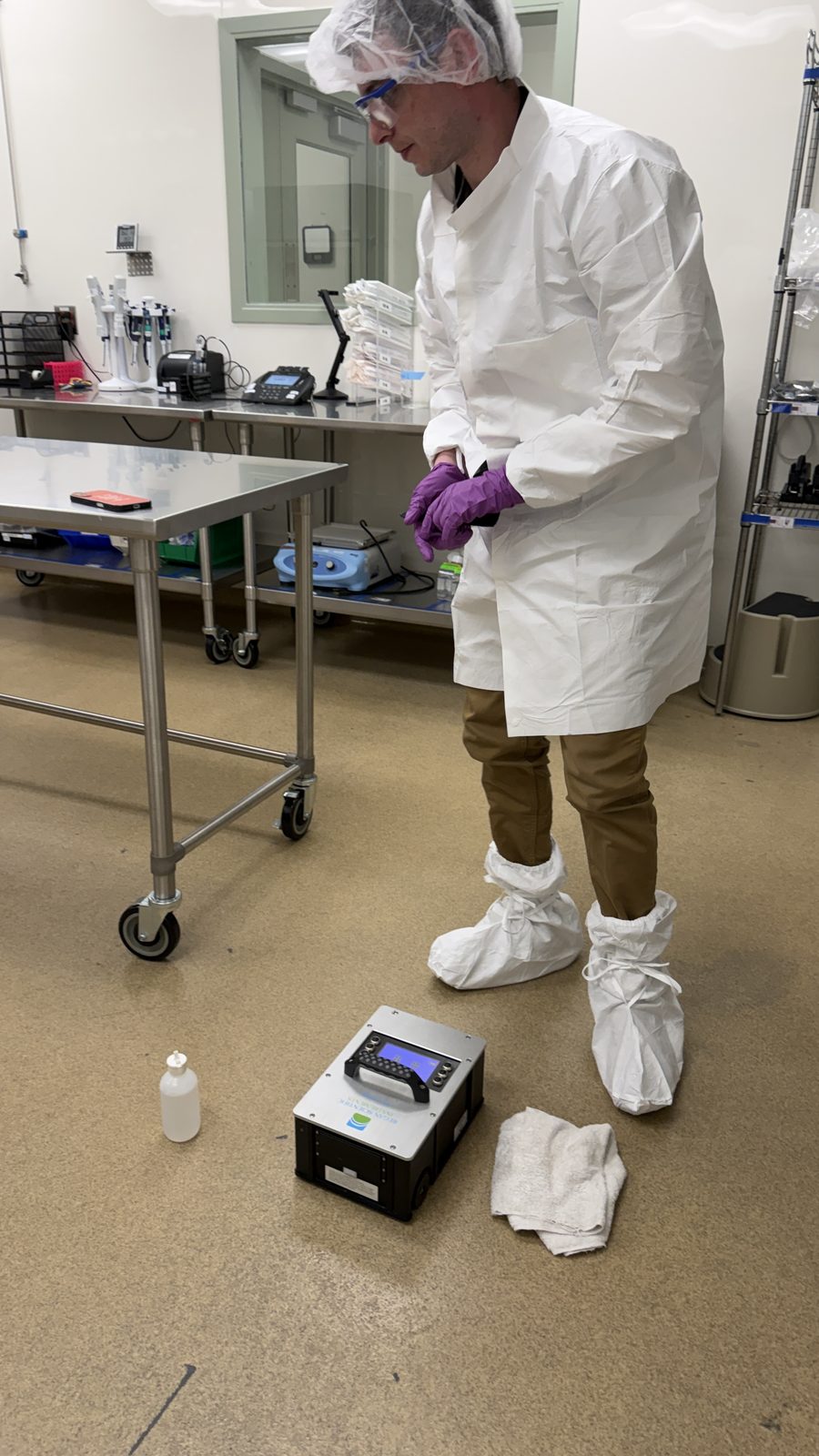
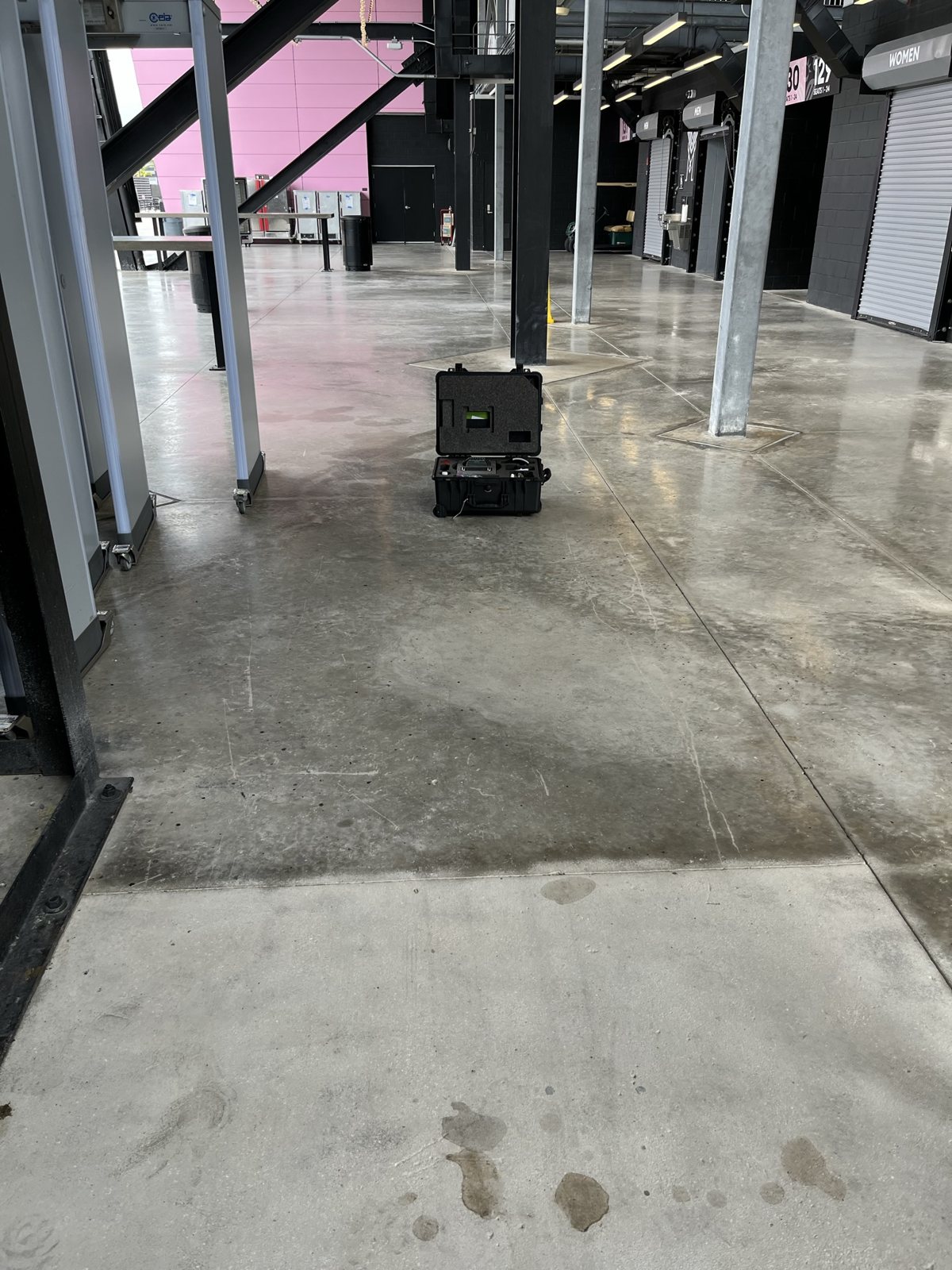
Real floors, real instruments.
See it in action
Slip testing videos.
Short clips from the field. They play muted — tap a video to turn the sound on.
More on our channel: @FloorSafetyInfo
Six ways we measure a floor
We run six measurements, both slip-resistance methods plus contamination, gloss and roughness, so the test matches your surface.
Most testing firms own one instrument and defend it. We run the full range: both slip-resistance methods plus contamination, gloss and roughness. That way the measurement matches your surface, your standard, and your situation.
Slip resistance
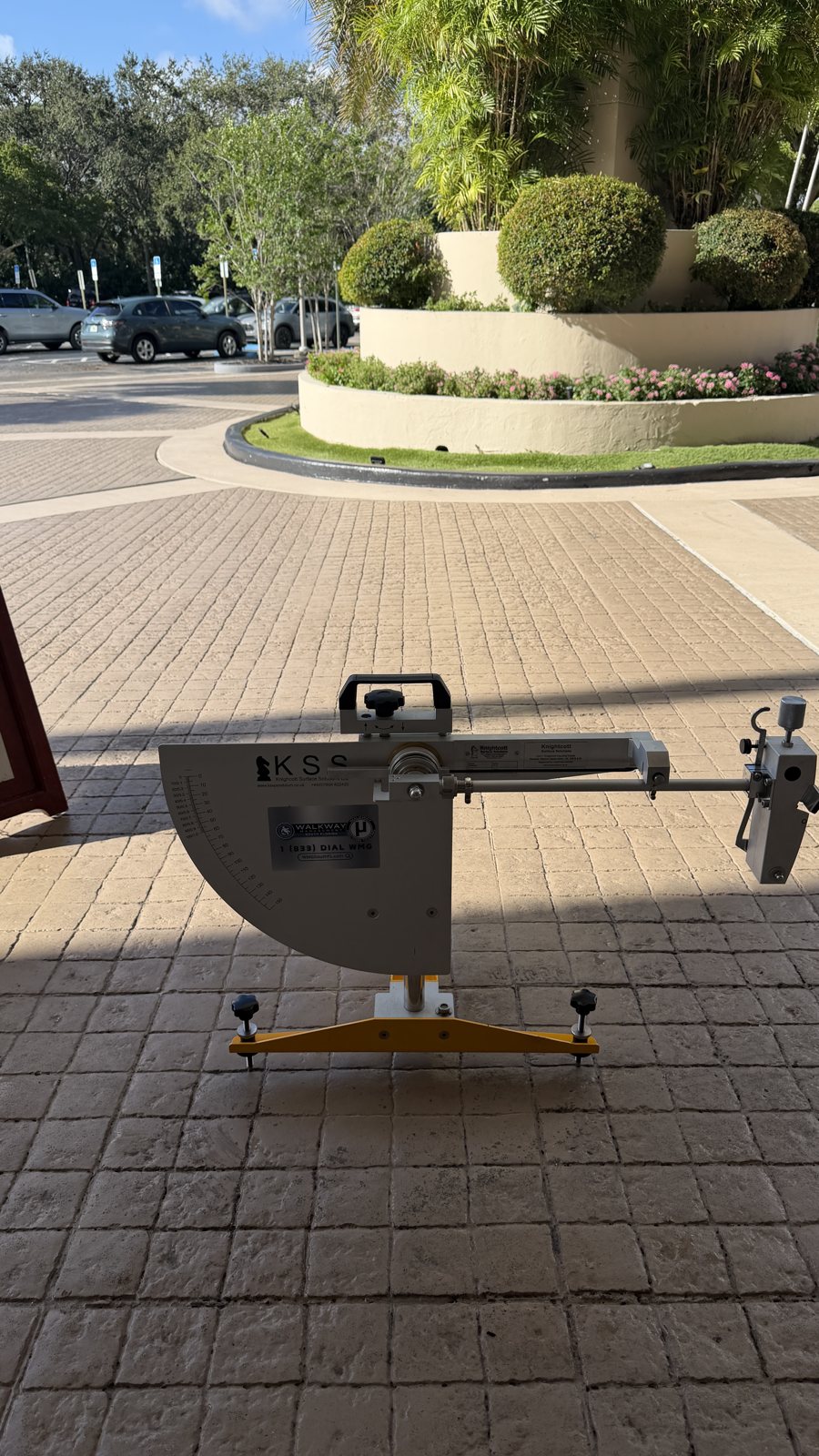
Pendulum Slip Tester — PTV
Pendulum Test Value per ASTM E303-22. This is our reference method for real-world wet slip risk, backed by decades of international research and the method behind pool-deck and outdoor testing. Ideal on ramps and wet, textured surfaces.
Pendulum testing →BOT-3000E — DCOF
Dynamic coefficient of friction per ANSI A326.3, the U.S. benchmark for documenting and monitoring interior hard flooring. We pair it with the pendulum rather than relying on it alone.
DCOF testing →BOT-3000E — SCOF
Static coefficient of friction when a manufacturer, warranty or legacy spec requires it. We provide it accurately, with honest guidance on why it shouldn’t drive your safety decisions.
SCOF testing →Surface characterization
Lumitester Smart — ATP
Contamination testing that detects the invisible food grease and organic residue that quietly destroys traction. It also grades whether your cleaning program is actually working.
ATP testing →Gloss Testing
Specular gloss per ASTM D523. The early warning that maintenance is polishing a floor slick, long before anyone slips.
Gloss testing →Surface Roughness
The microscopic texture (Ra) that pierces a fluid film and defeats hydroplaning — the physics behind wet traction, and the key measurement in greasy environments.
Roughness testing →How it works
From site visit to court-ready report.
Scope the walkways
We identify the surfaces that matter: entrances, wet zones, ramps, pool decks, kitchens, transitions.
Test wet and dry
Calibrated measurements under the applicable standard (ASTM E303-22, ANSI A326.3, or NFSI B101.1) in the conditions your floors actually face.
Map the risk
Every reading is tied to a location, surface type and condition, so you know exactly where the risk lives.
Deliver the documentation
A report structured to the ASTM F2048-00 format with methodology, instrument calibration records, results and recommendations.
Fix and re-test
Where floors underperform, our treatment crews remediate. Then we re-test to prove the improvement with numbers.
Common questions
Which standards do you test to?
ASTM E303-22 (Pendulum Test Value), ANSI A326.3 (wet DCOF), and NFSI B101.1 (wet SCOF). We also work to BS EN 16165 and AS 4586 where international methods are specified.
How long does testing take?
Most single-facility audits are completed in one visit. Reports are typically delivered within a few business days.
Will testing disrupt our operations?
No. Testing is quiet, non-destructive, and can be scheduled around your hours, including overnight for retail and hospitality.
Is your data admissible?
Our instruments are validated per ASTM F2508 and our reports follow the ASTM F2048-00 reporting framework (withdrawn 2009, never replaced, and still the clearest checklist for a defensible report) — the documentation practices premises-liability experts expect. We serve as expert witnesses for both plaintiff and defense counsel.
In the field
Tested across every kind of surface.
Get your numbers.
Testing scheduled nationwide, with fast turnaround for post-incident needs.