Industries · Restaurants
Slip & Fall Prevention for
Restaurants & Commercial Kitchens
Grease, water and high traffic make restaurant floors the most reliably slippery surfaces in commercial real estate — for staff and guests alike. Measurement turns that risk into something you can manage.
From the field
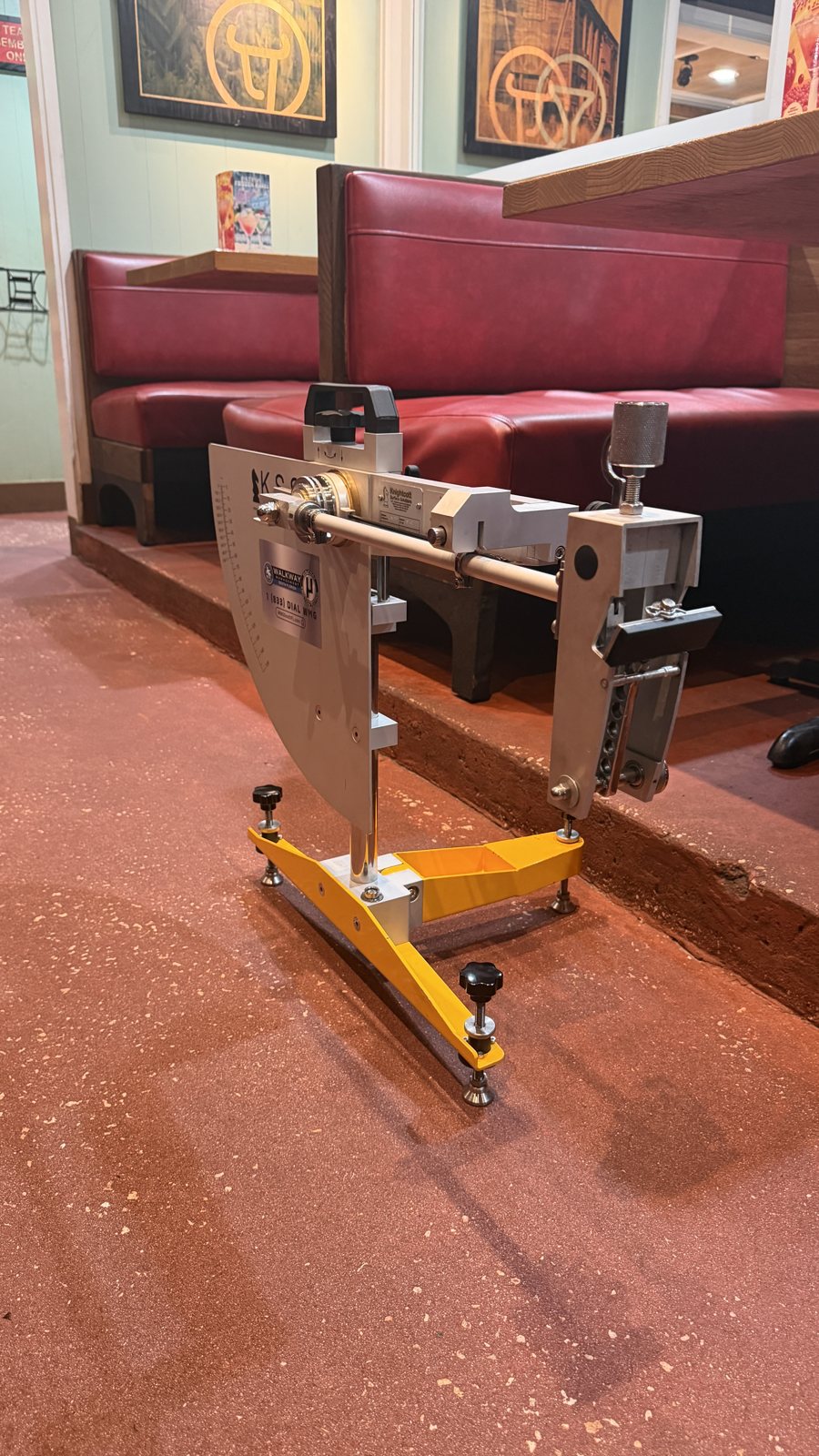
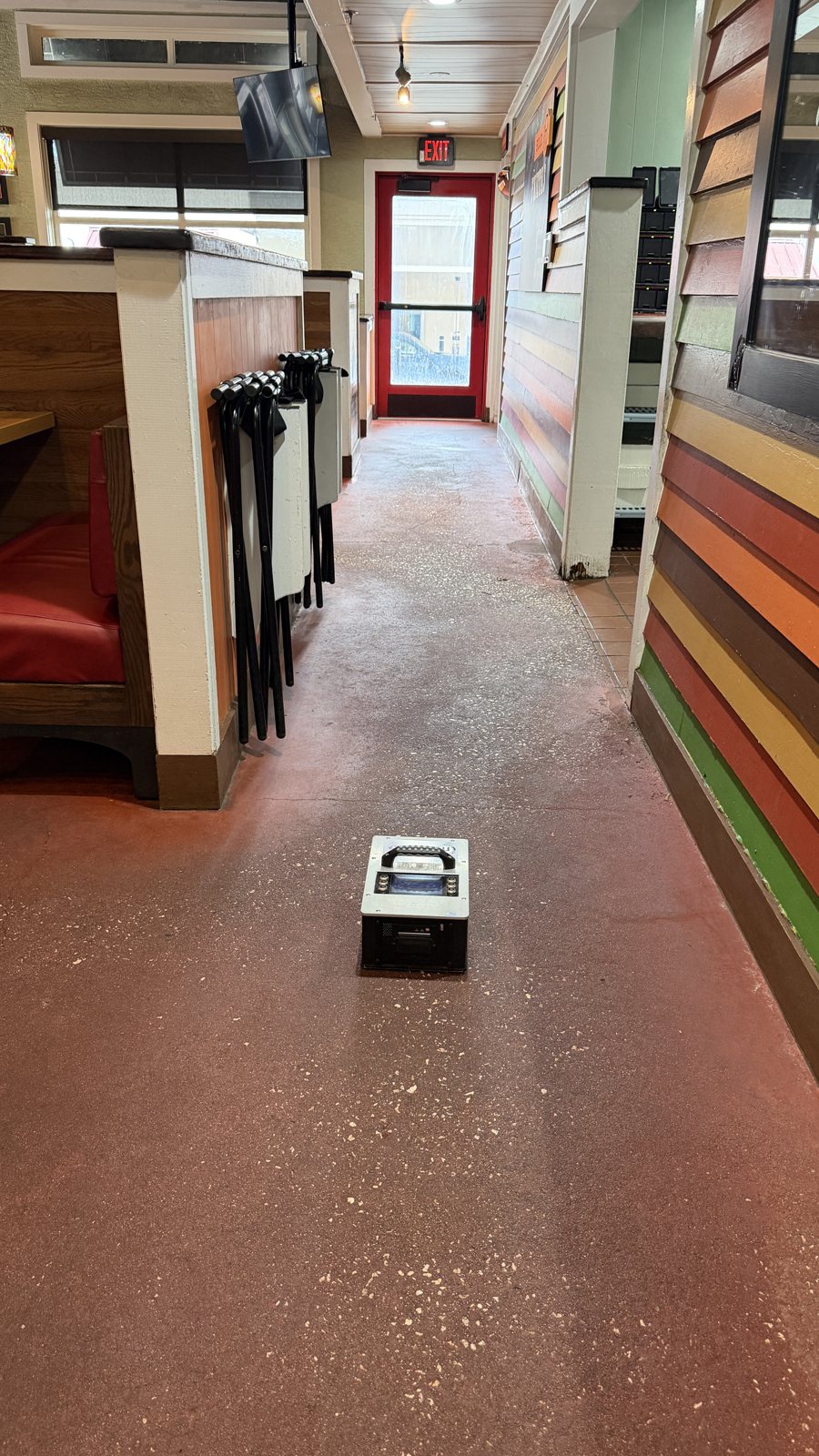
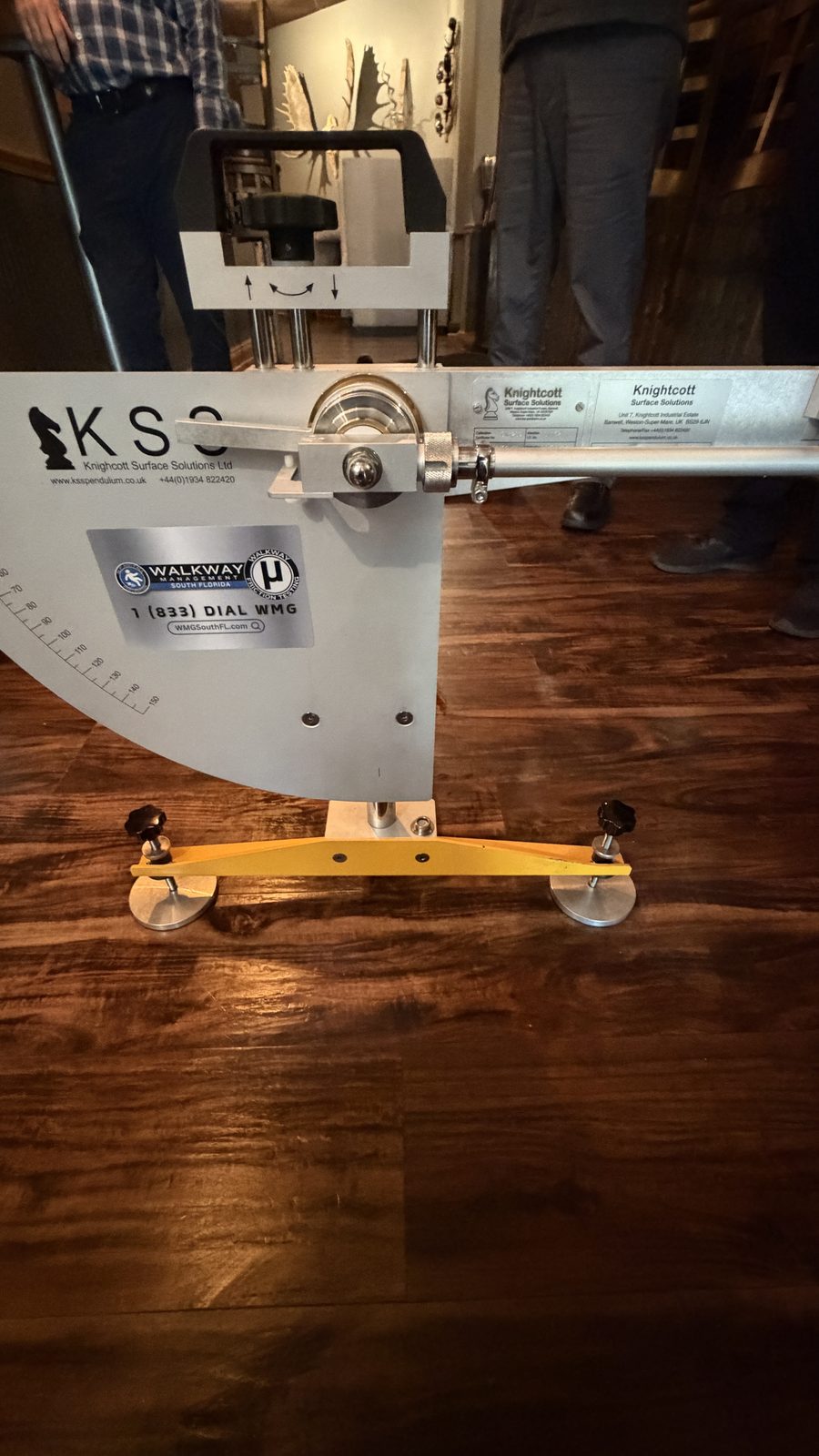
Restaurants we have tested.
Why restaurant floors slip
Back-of-house kitchens combine airborne grease, water, and quarry tile that loses traction the moment it’s contaminated. Front-of-house adds drink spills, tracked-in rain at entries, and the transition from tile to carpet. Restaurant slip-and-fall claims — from employees and customers — are among the most common in the service industry, and the floor is usually a known problem long before someone falls on it.
The grease you can’t see
A kitchen floor can look clean and still carry a film of grease worked into the surface texture — the exact residue that destroys wet traction. This is where ATP contamination testing earns its place alongside slip testing: it detects invisible organic and grease residue and grades whether your cleaning program is actually removing it. Pairing ATP with DCOF testing tells you not just that a floor is slippery, but why.
Our approach for food service
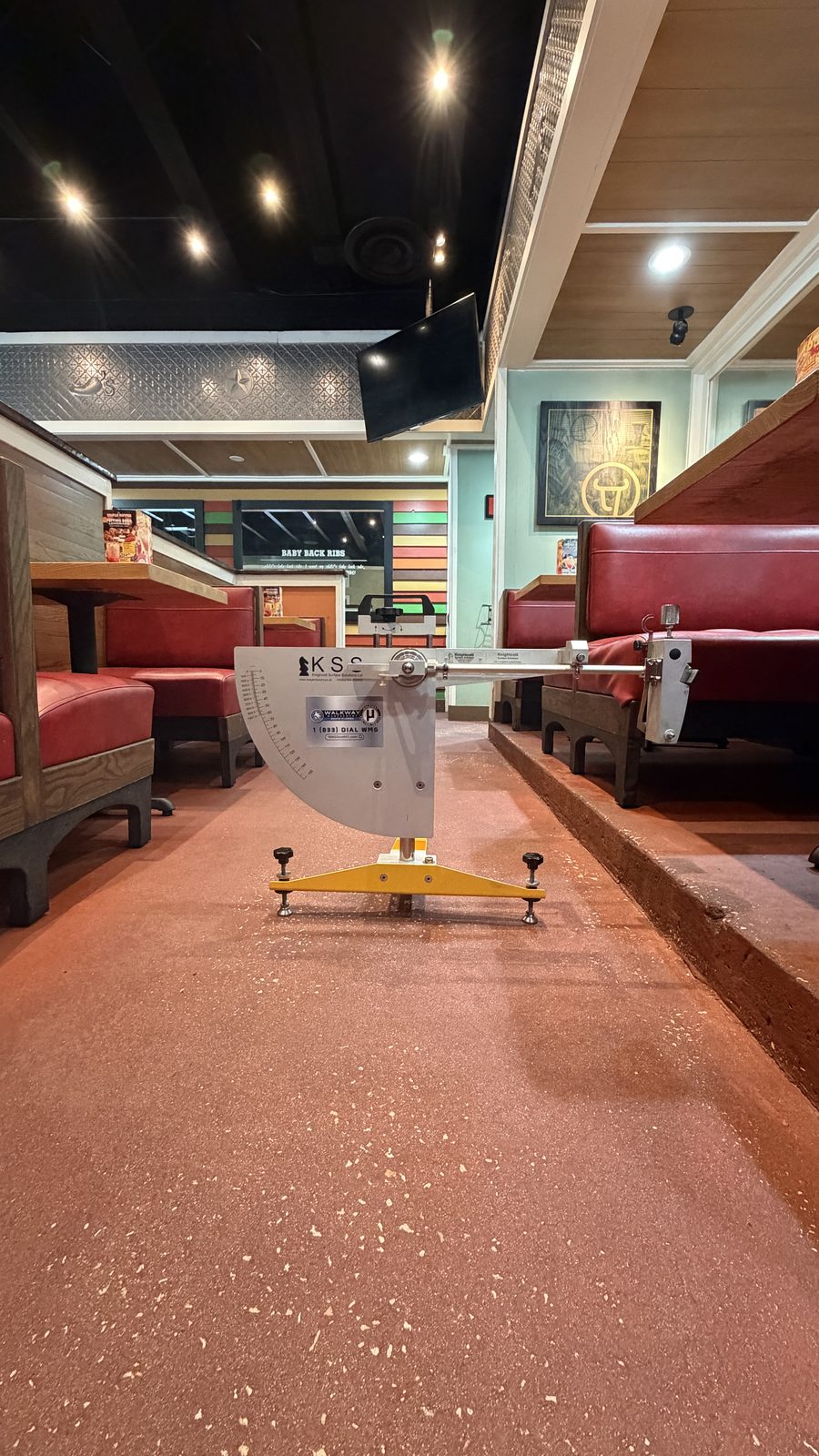
- Slip resistance testing of kitchen, prep, dish and dining floors — wet condition
- ATP testing to grade cleaning effectiveness and find grease the eye misses
- Kitchen-grade traction treatment, verified by re-testing
- After-hours scheduling so testing never interrupts service
- Documentation that shifts a claim from “he said” to “we measured”
Common questions
Can you test after closing?
Yes — overnight and pre-open testing is routine for restaurants so operations are never disrupted.
What’s the difference between slip testing and ATP testing?
Slip testing measures how much traction the floor has; ATP testing measures the grease and organic contamination that reduces it. Together they give the complete picture.
Do employee slip claims matter as much as customer claims?
Both drive real cost. Documented testing and treatment support your position on either front.
In the field
Kitchens and dining rooms, tested wet.