
BOT-3000E · ANSI A326.3
DCOF testing with the instrument
the standard names.
The BOT-3000E digital tribometer measures dynamic coefficient of friction, the U.S. benchmark for how slippery hard flooring is underfoot, wet or dry.
From the field
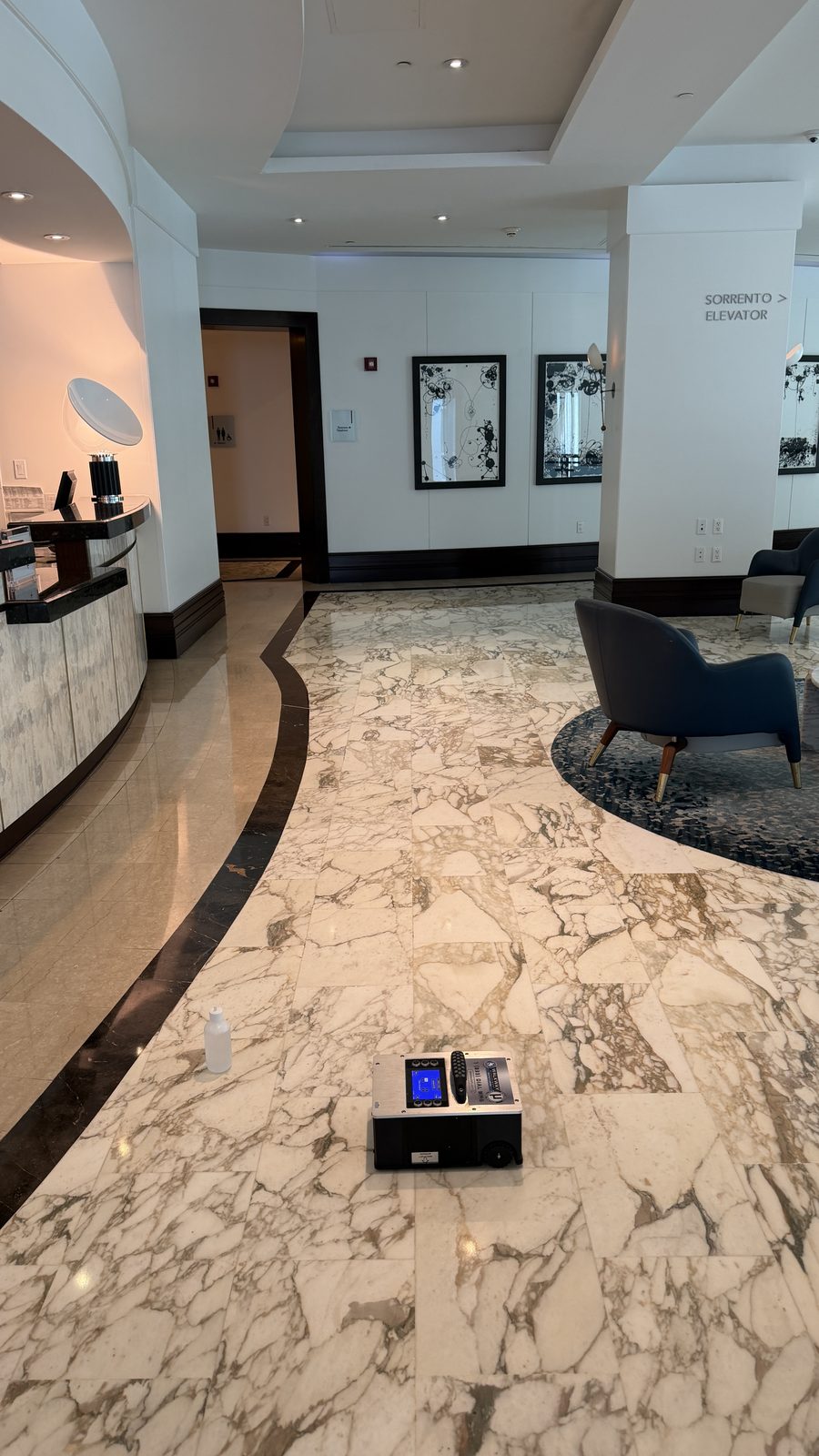
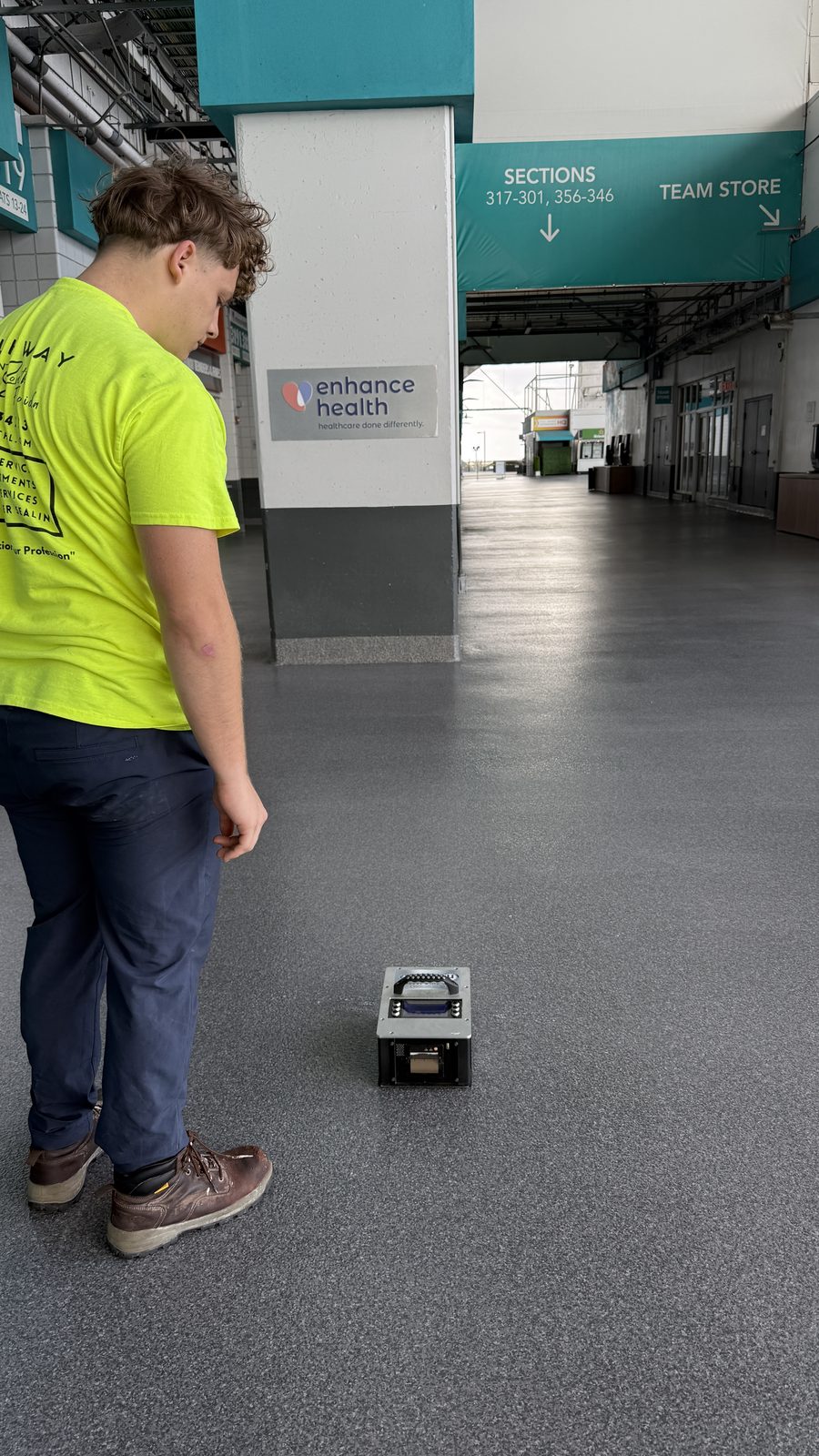
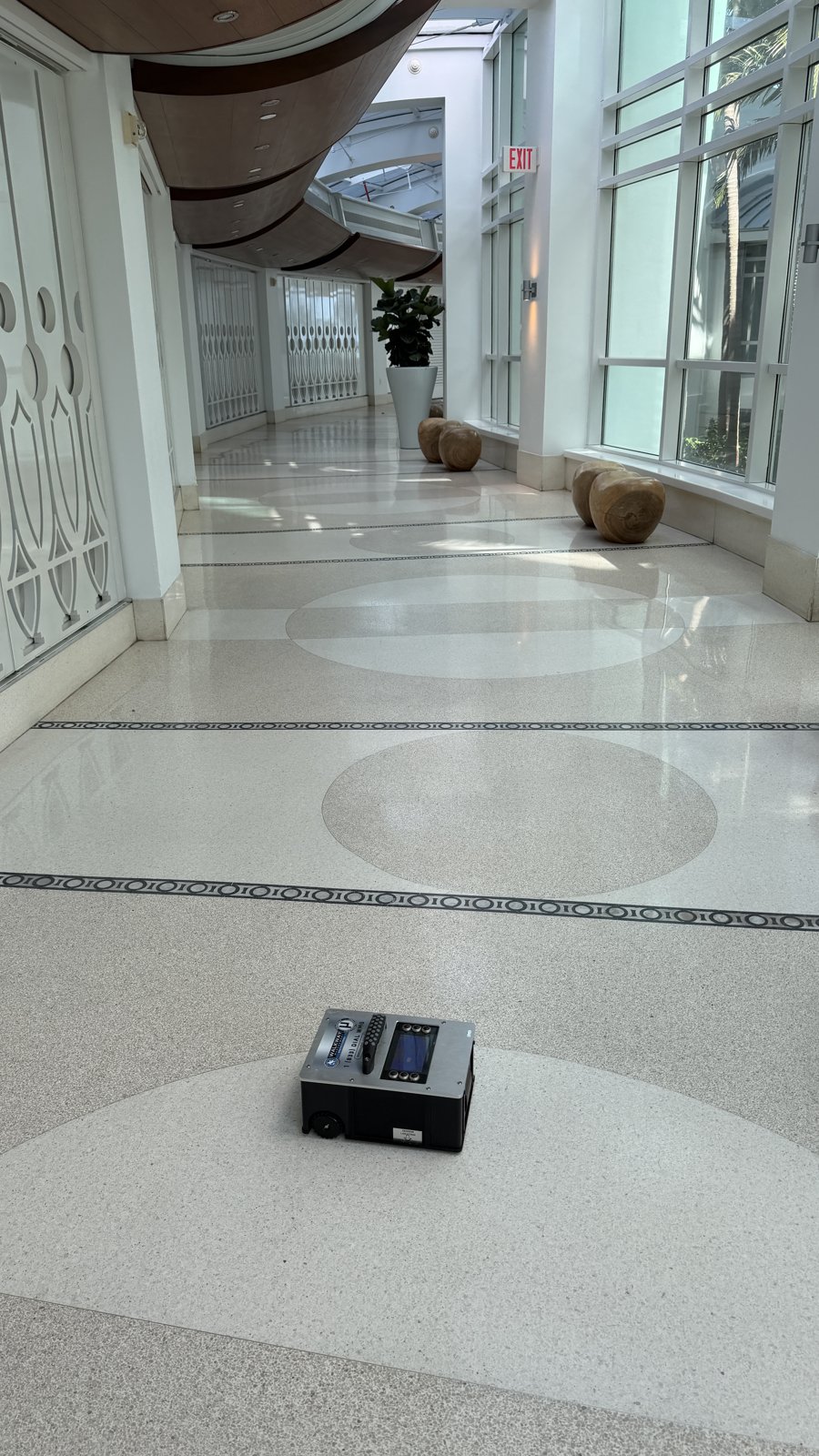
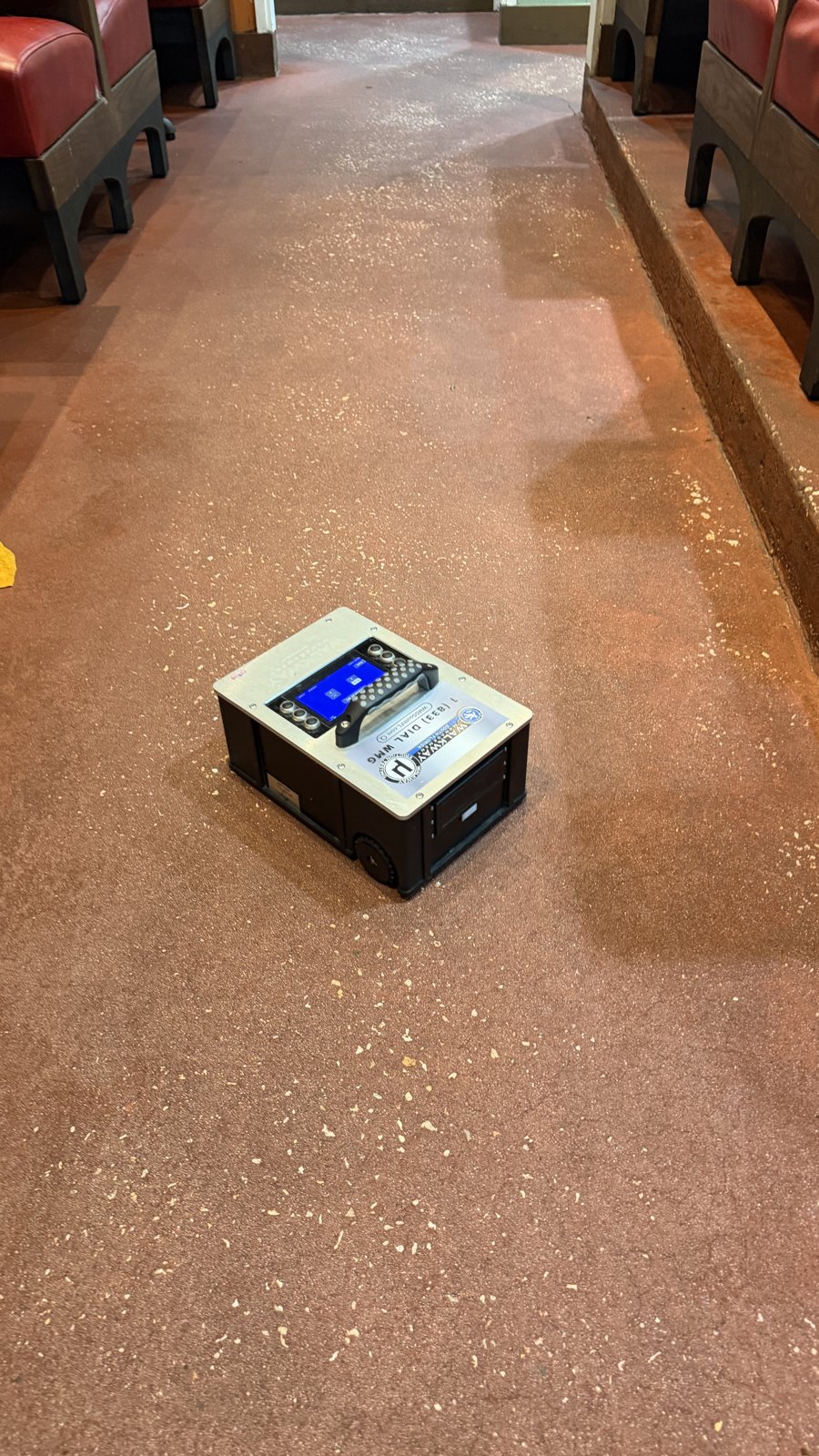
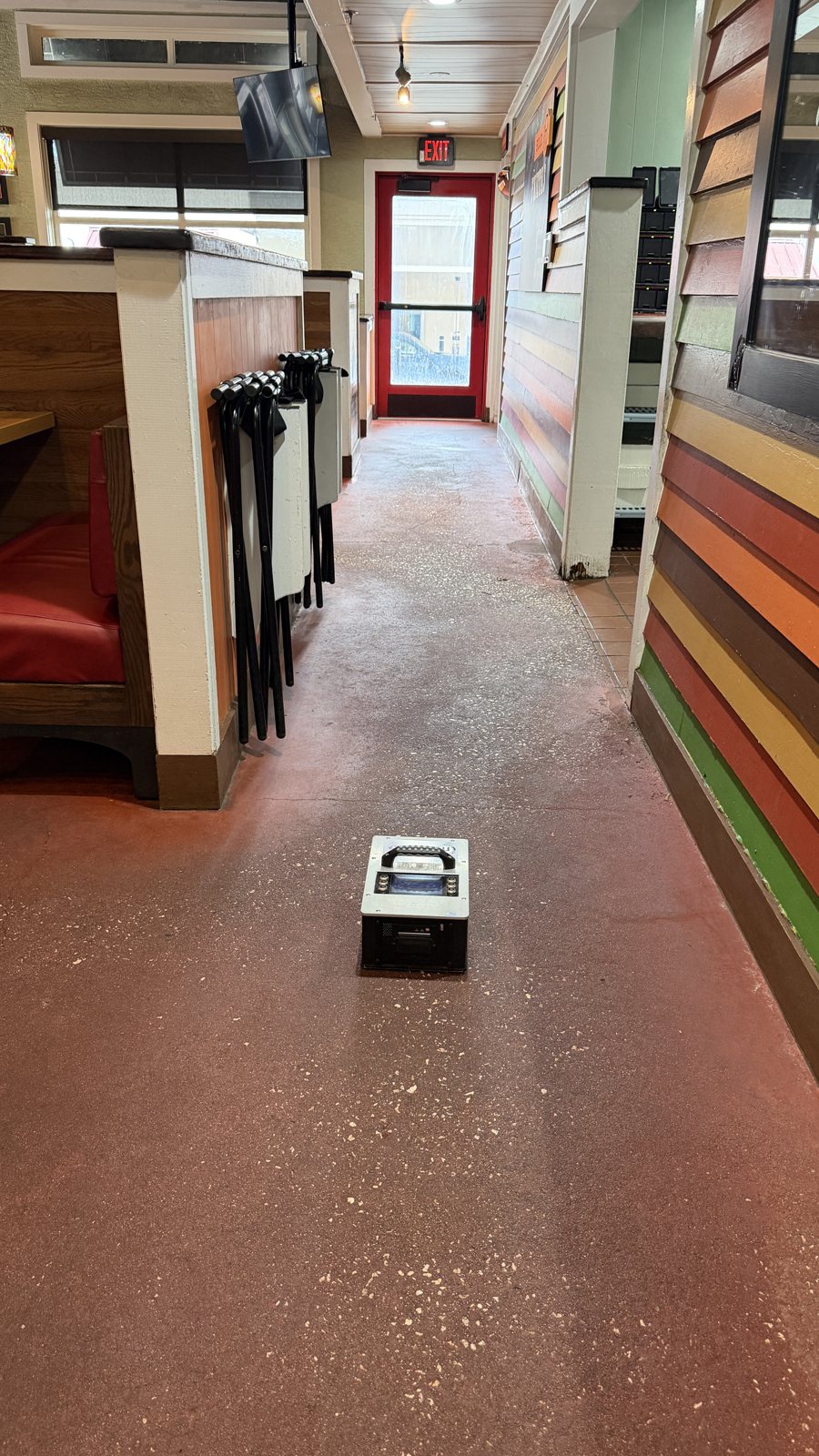
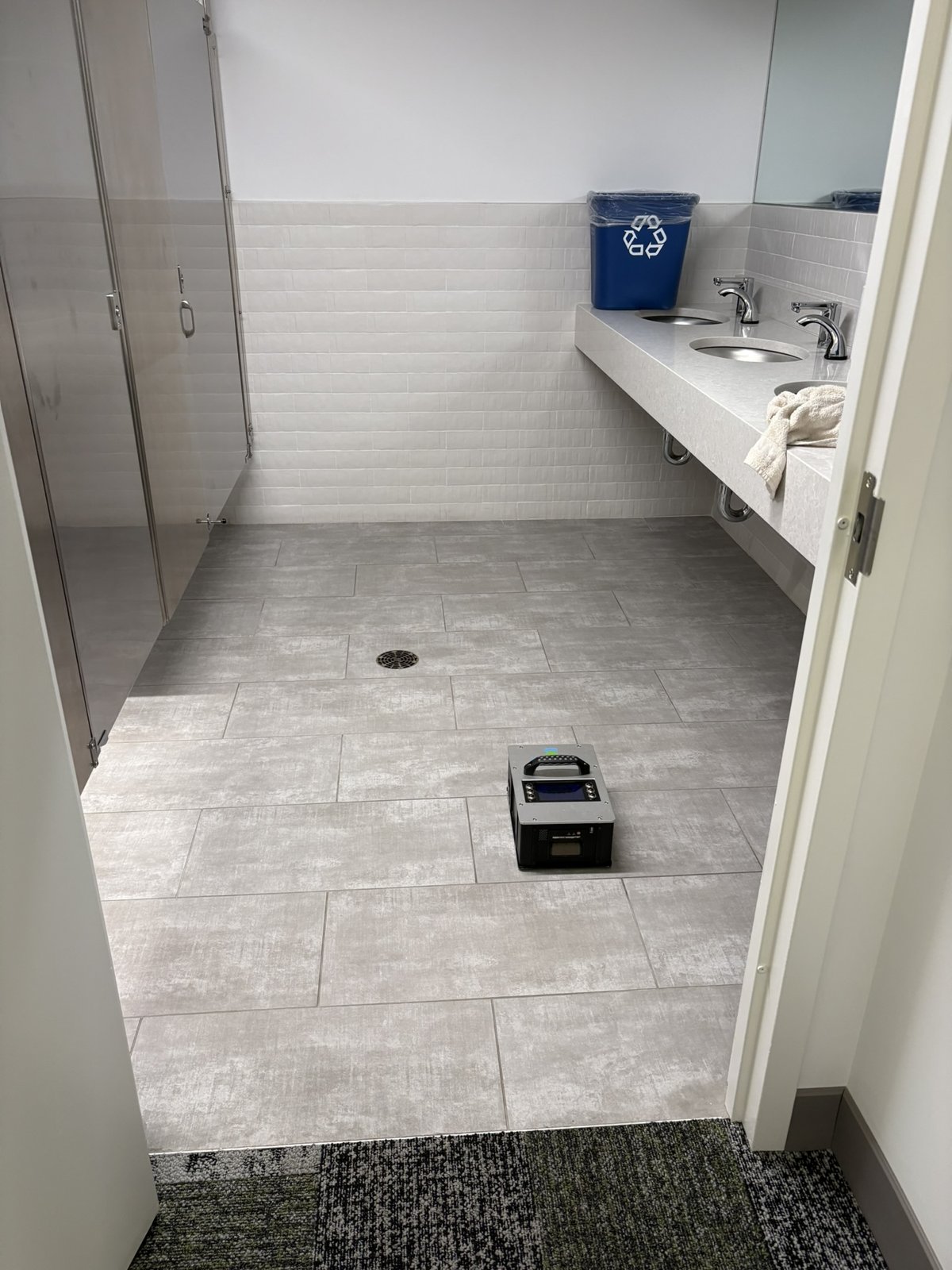
The BOT-3000E on real floors.
What it measures
Dynamic friction, measured to the U.S. standard.
DCOF measures friction on a surface while it’s in motion. ANSI A326.3 specifies wet DCOF measurement with the BOT-3000E, and manufacturers, insurers and courts reference its values daily.
| ANSI A326.3 product-use category | Minimum wet DCOF |
|---|---|
| Interior, wet | 0.42 |
| Interior, wet plus (locker rooms, indoor pools, etc.) | 0.50 |
| Exterior, wet | 0.55 |
| Oils / greases | 0.55 |
When you need DCOF testing
- Verifying new tile or stone against the manufacturer’s claims
- Interior floors: lobbies, kitchens, corridors, retail
- Insurance documentation and compliance programs
- Post-incident measurement under the U.S. standard
How the BOT-3000E works
The BOT-3000E is a motorized, automated tribometer. It travels a fixed path across the floor at a controlled speed while a sensor foot with a standardized test material contacts the surface, and it records the dynamic coefficient of friction continuously along that path. Because the motion and the load are machine-controlled rather than operator-dependent, results are repeatable and defensible, which is a key reason ANSI A326.3 specifies it.
The details matter, because they are what make a number hold up later. The instrument moves at a steady 20 centimeters per second under a controlled vertical load, and it wets the path with a dilute (0.05%) surfactant solution rather than plain water. That surfactant matters: it mimics the thin, re-emulsified soap-and-cleaner film a real floor carries once it has been mopped and used, instead of the artificially high reading you can get from clean water on a smooth floor. The device tops out at a friction reading of 1.00. Testing is performed wet, because wet is when floors fail people.
Calibrated and validated, not just switched on. A tribometer is only as trustworthy as its last verification. Ours are validated against reference surfaces of known slip resistance under ASTM F2508, the standard that checks whether an instrument is telling the truth, and we took part in the ASTM F2508-23 interlaboratory study as one of seven labs. Every report carries the instrument identification and calibration record, because in a claim, a number without that paper trail is worth very little.
Where the BOT-3000E has blind spots
This is the part most testing companies leave out, and it is the part that protects you. The BOT-3000E is an excellent, repeatable instrument, but no single device reads every floor honestly, and knowing where it misses is what separates a real measurement from a false sense of safety.
The instrument drags across the floor at 20 centimeters per second. A human heel strikes a wet floor at closer to 270 centimeters per second, more than ten times faster. At its slow, deliberate speed the BOT has time to push the water out of the way before it reads, so on very smooth, high-gloss surfaces, polished marble, polished granite, polished terrazzo, it can measure something close to dry rubber on dry stone and report a comfortable-looking wet DCOF. A person moving at full walking speed never gets that grace period. They hydroplane on the thin film the instrument squeezed away. That is how a polished floor can “pass” a wet DCOF test and still put people on the ground, and it is one of the most important things to understand before you trust a single number.
It cuts the other way too. On deeply textured or profiled tile, drag on the instrument’s wheels and chassis can pull a reading down, making a floor that is genuinely grippy underfoot look worse than it is. And in the field, running the sensor across a grout line can spike the horizontal force for an instant and skew the average if the path isn’t chosen carefully.
What a DCOF report tells you
Your report gives the measured wet DCOF for each surface tested, tied to the location and condition, and compares it against the applicable product-use category. Reported to ASTM F2048-00, it includes methodology, instrument identification and calibration, the documentation that stands up in an insurance review or a courtroom. When a surface calls for it, we say so plainly and pair the DCOF result with a pendulum reading, so the report reflects the floor, not just the instrument.
Common questions
DCOF vs SCOF — what’s the difference?
DCOF measures friction in motion; SCOF measures it from a standstill. Real slips happen in motion, which is why modern U.S. standards use DCOF. See Slip Testing, Explained.
Is a manufacturer’s DCOF number enough?
It’s a starting point measured on clean, new tile in a lab. Real floors accumulate wear and contamination that lower DCOF, so a field test of the installed floor is the reliable answer.
My floor passed a wet DCOF test but still feels slippery. How?
That is the blind spot above. On polished stone, the BOT’s slow drag can read high while a fast-moving heel hydroplanes on the same wet film. When a floor tests fine but people slip, we re-check it with the Pendulum Slip Tester at heel speed, which usually tells the real story.
When should I use the pendulum instead?
For outdoor, textured or heavily profiled surfaces, and for barefoot areas like pool decks, the Pendulum Slip Tester (PTV) is often the better fit. We field both and choose the one the floor calls for.
In the field
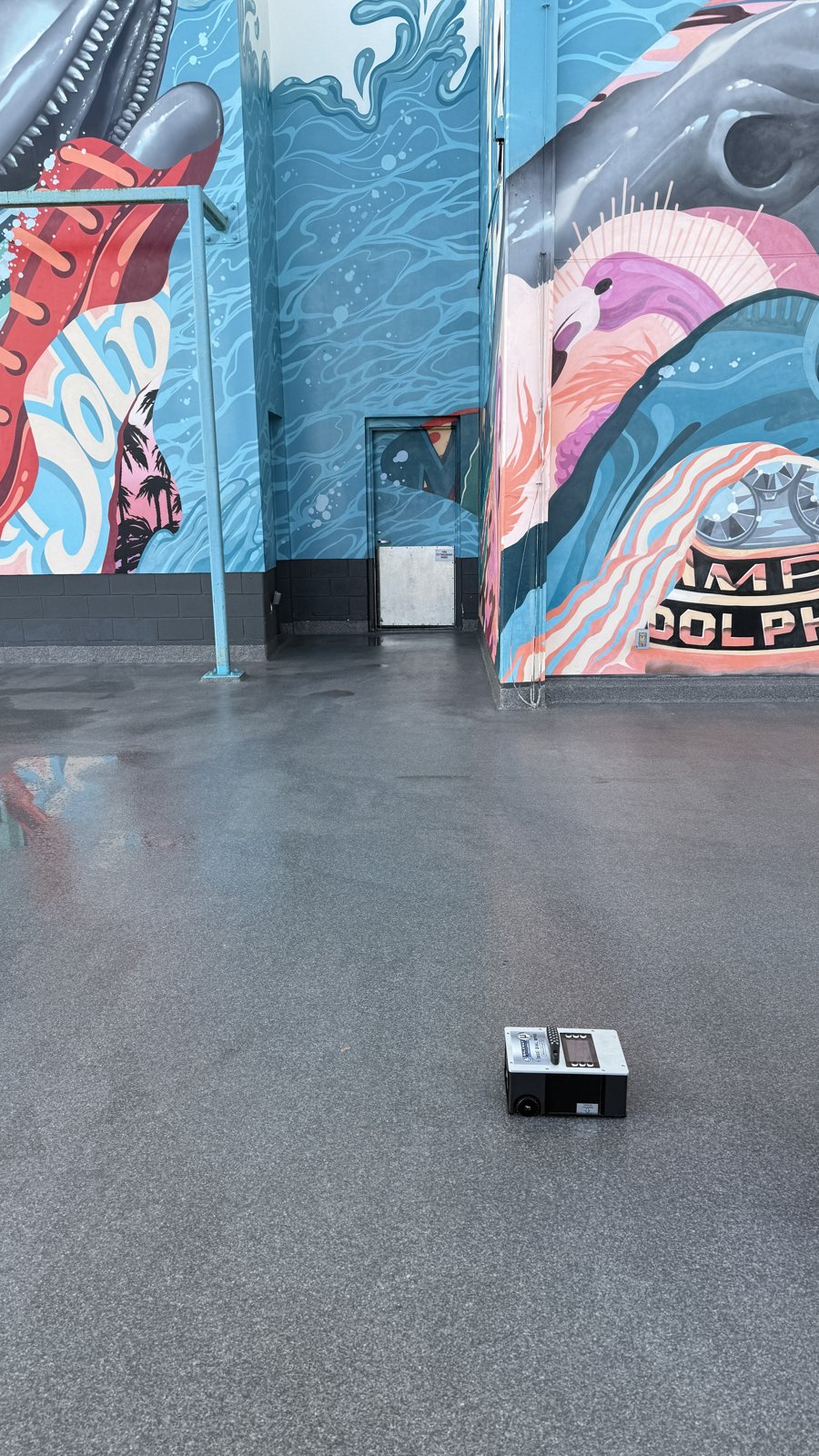
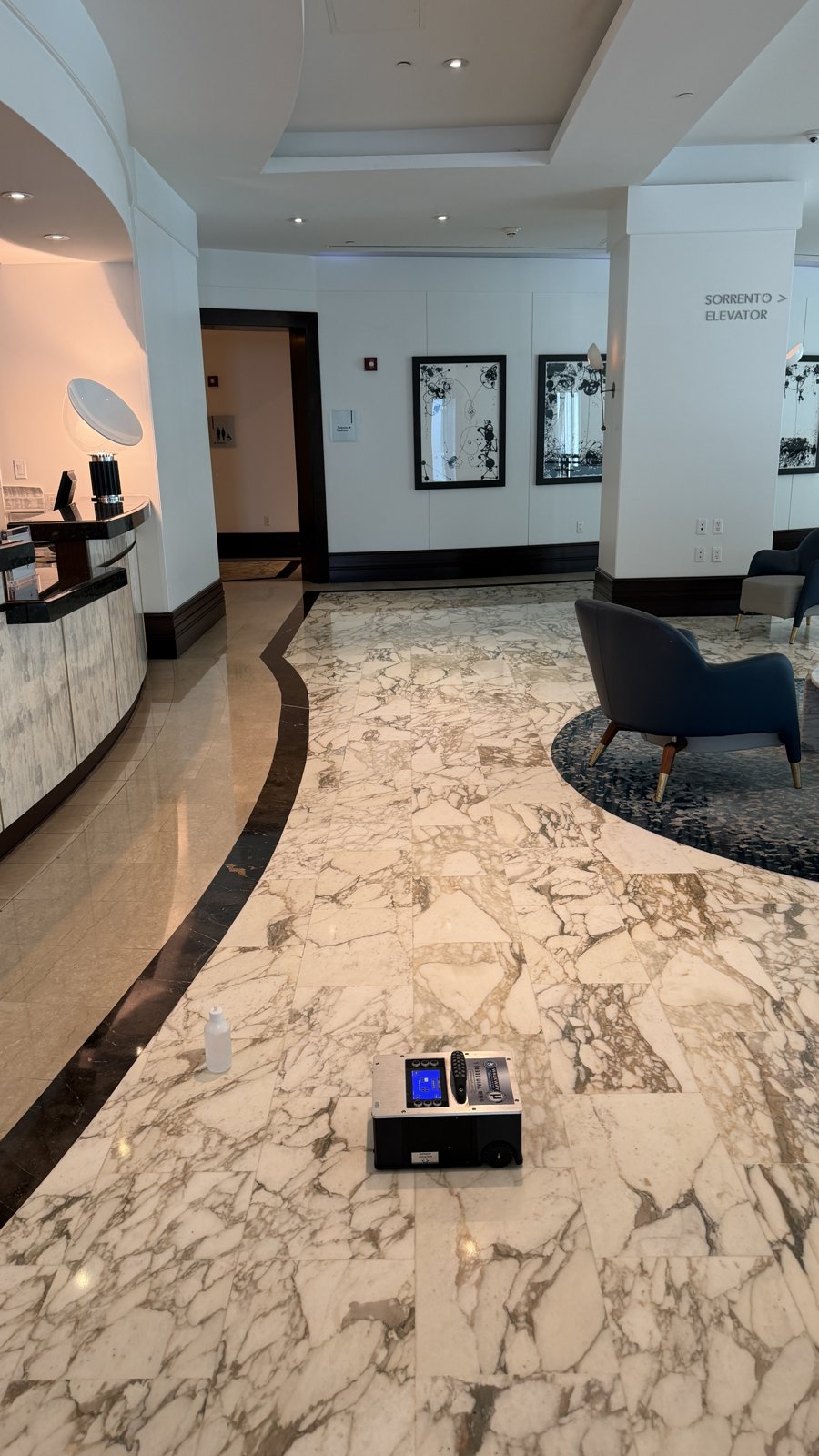
The BOT-3000E on real floors.
Get your DCOF numbers.
The research behind DCOF testing
The dynamic coefficient of friction method has a defined standard, a validation framework, and a documented set of strengths and limits. Selected sources:
- ANSI A326.3-2021, Test Method for Measuring Dynamic Coefficient of Friction of Hard Surface Flooring Materials — the wet DCOF method the BOT-3000E performs.
- ASTM F2508-23, Standard Practice for Validation, Calibration, and Certification of Walkway Tribometers Using Reference Surfaces — how a tribometer is proven to tell the truth.
- Powers, C.M., Brault, J.R., Stefanou, M.A., et al. (2007). Assessment of walkway tribometer readings in evaluating slip resistance: a gait-based approach. Journal of Forensic Sciences, 52(2).
- Moore, D.F. (1972). The Friction and Lubrication of Elastomers — the hydrodynamic squeeze-film physics that explains why a slow drag-sled can over-read a wet, polished floor (see the blind-spots section above).
Studies and standards are cited for reference. Consult the current published edition of any standard before making a compliance decision.