Industries · Pools & Aquatics
Pool Deck Slip Testing
& ISPSC 2024
Pool decks are the wettest, highest-consequence walking surfaces on any property — and the 2024 International Swimming Pool and Spa Code brought their slip resistance into the code conversation.
From the field
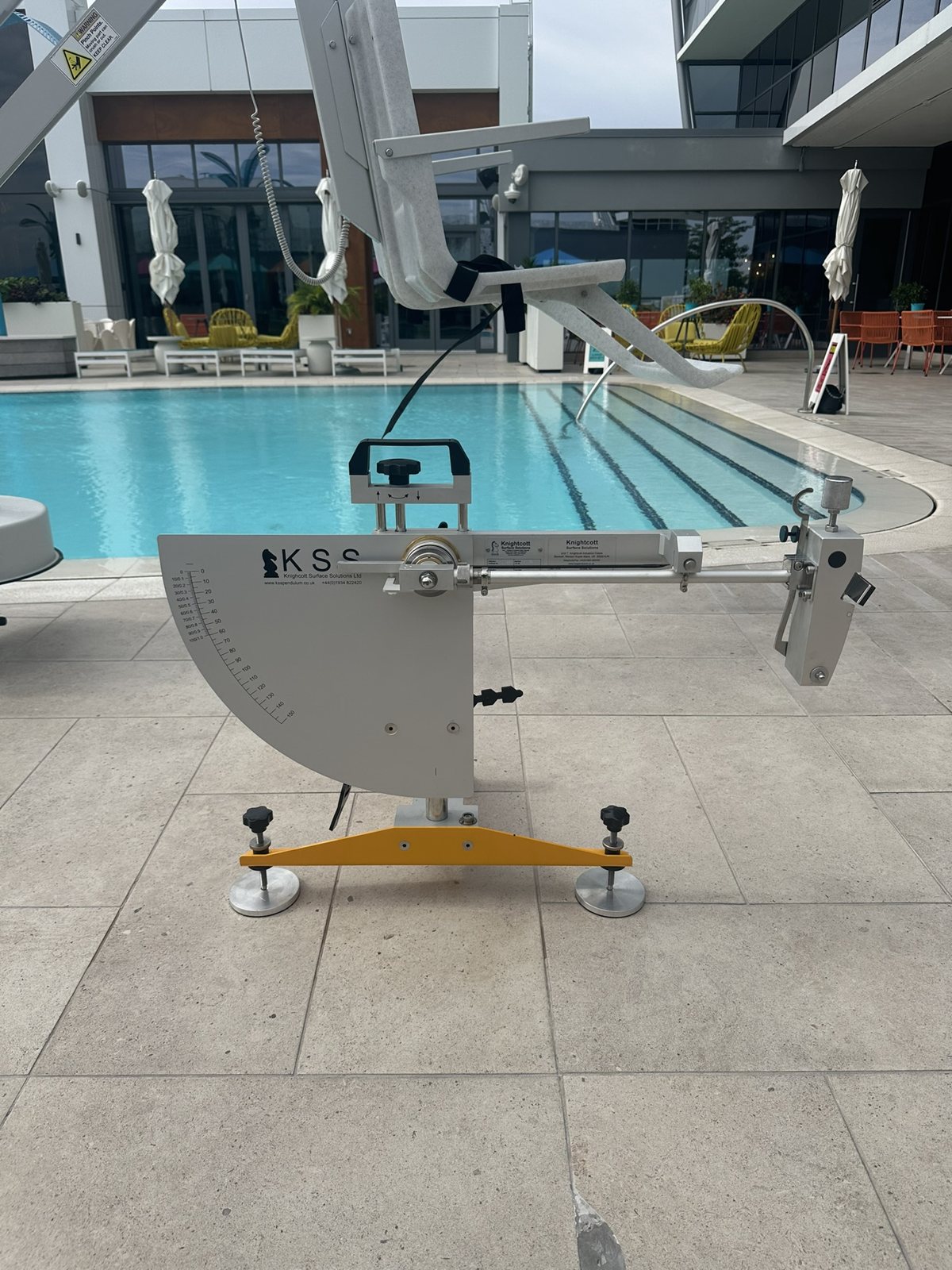
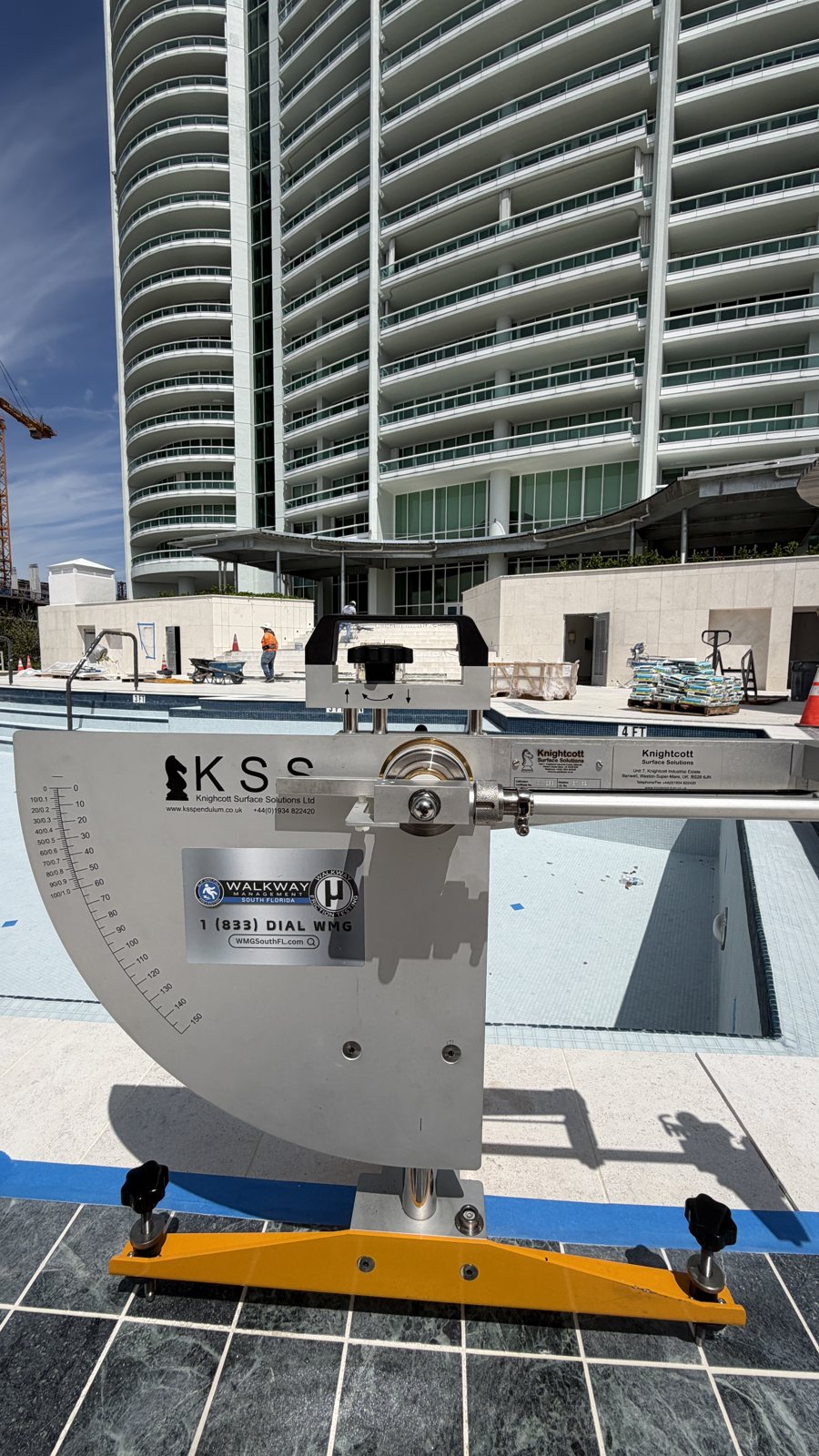
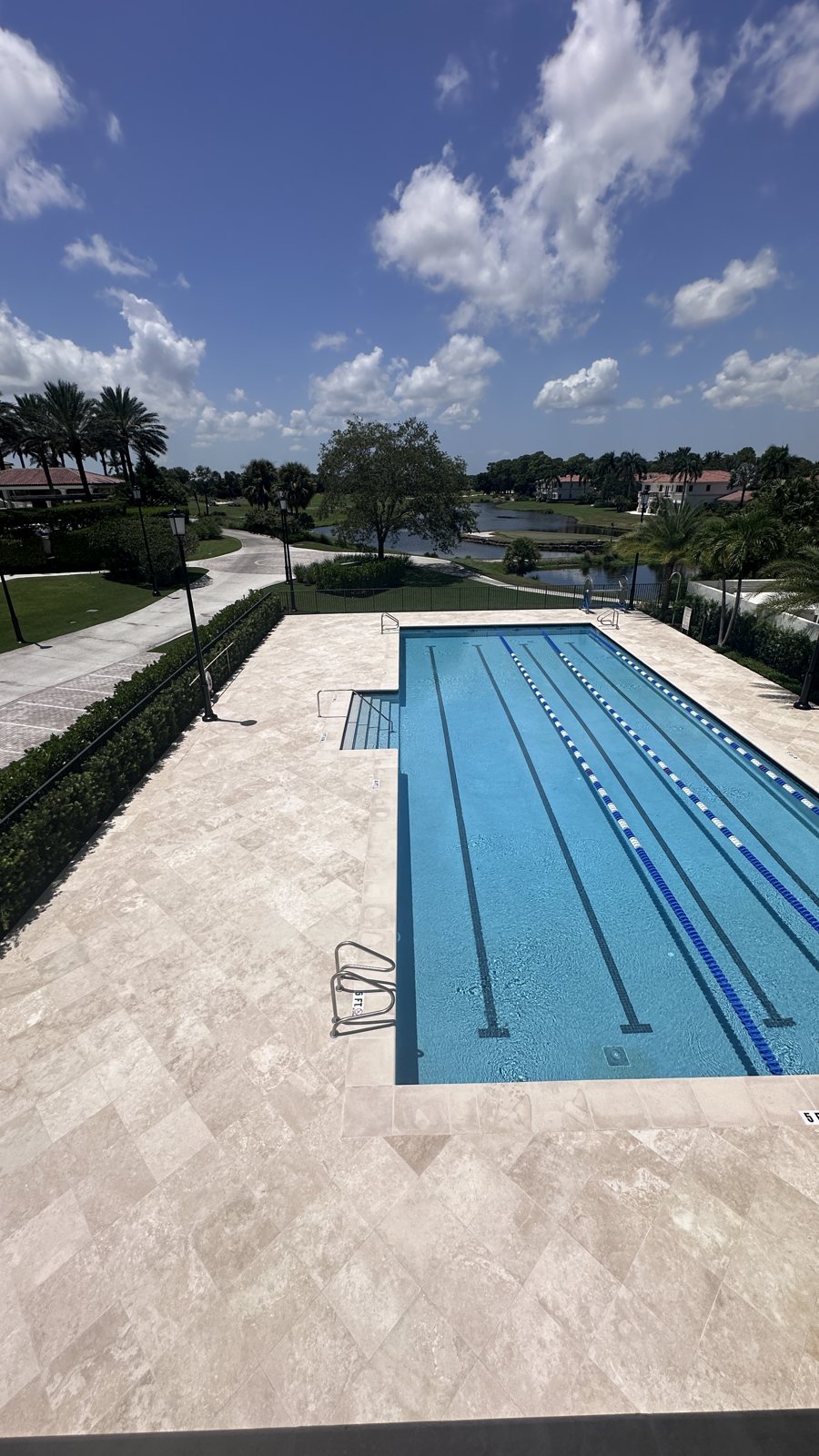
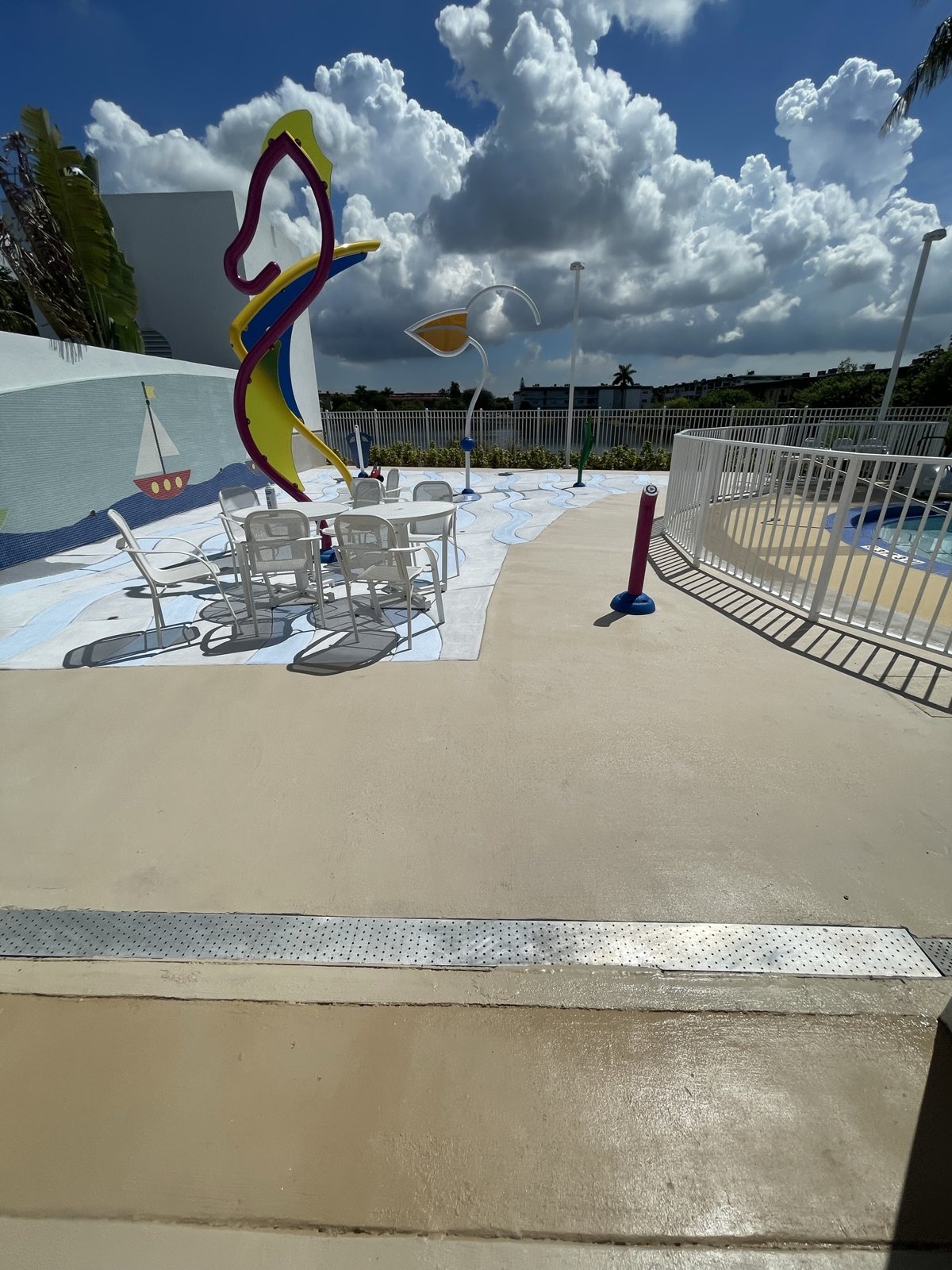
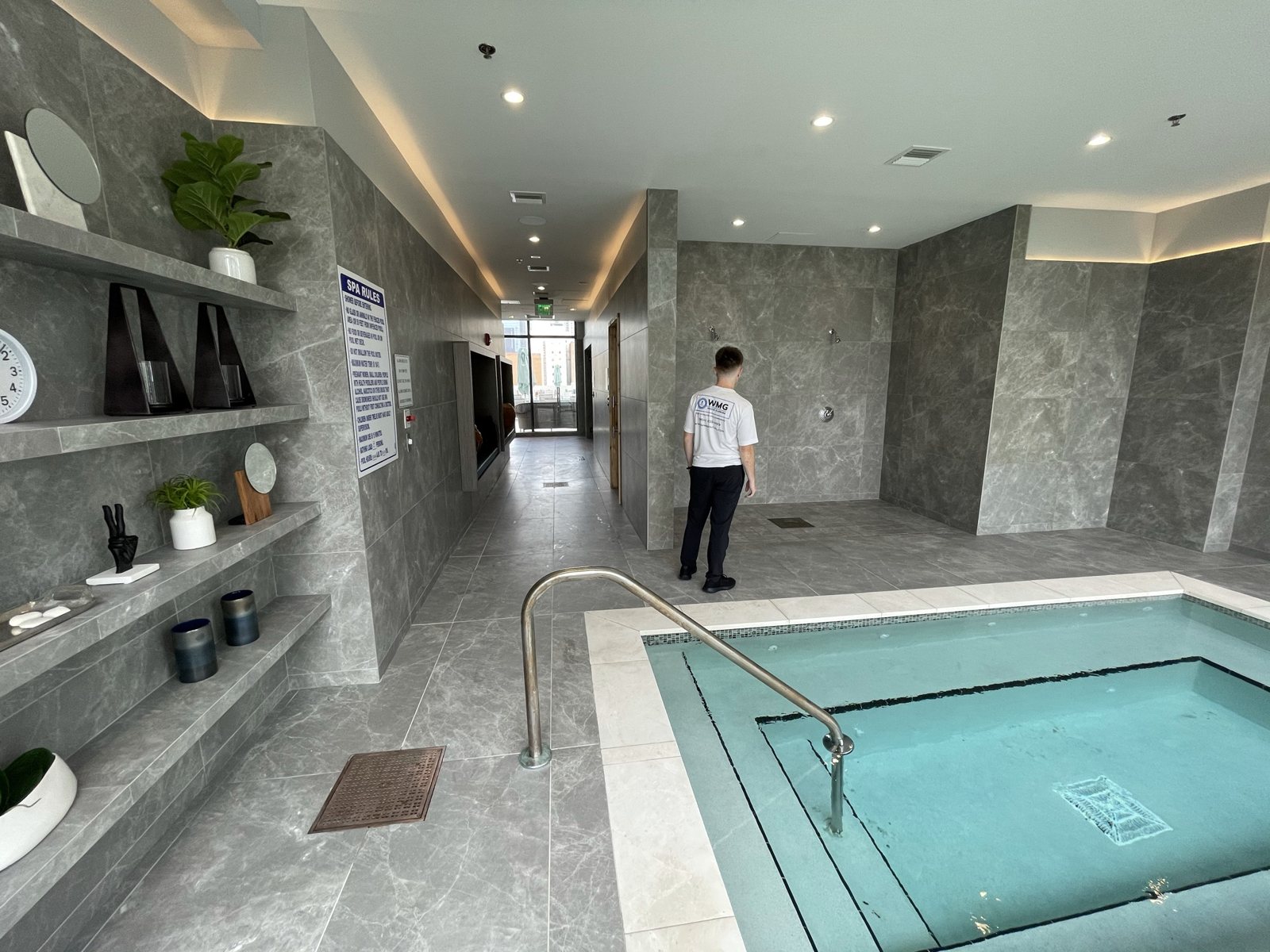
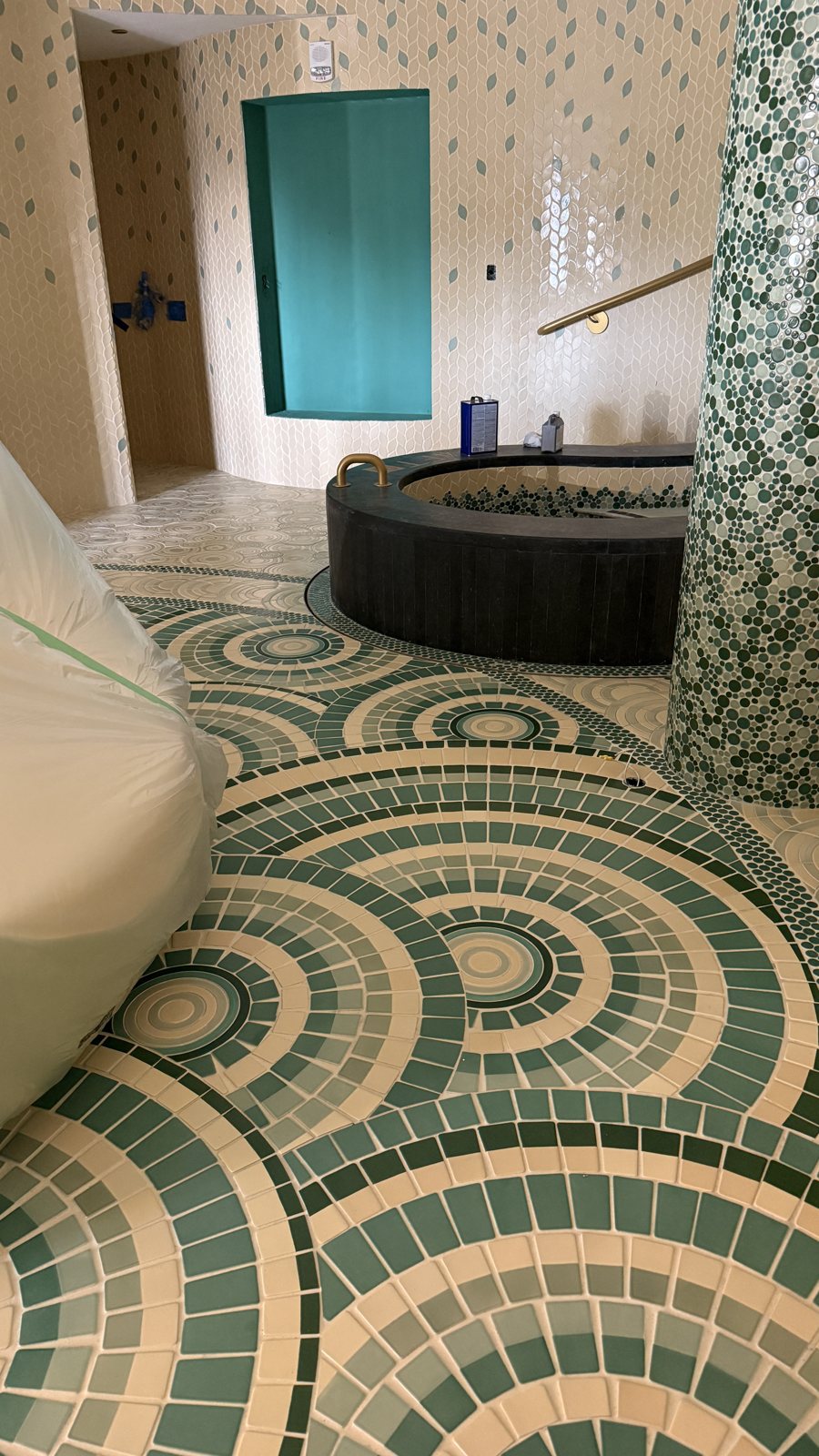
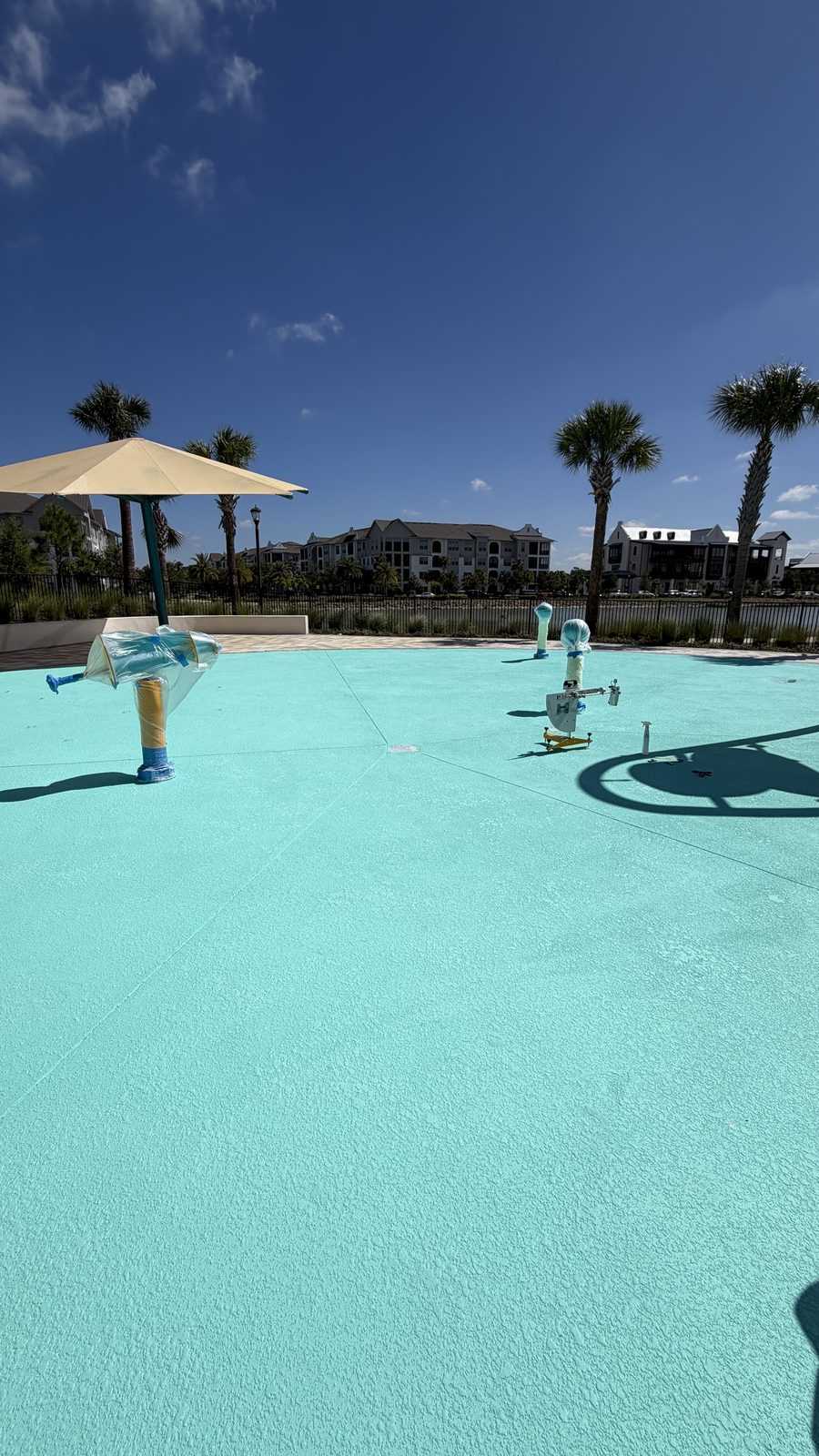
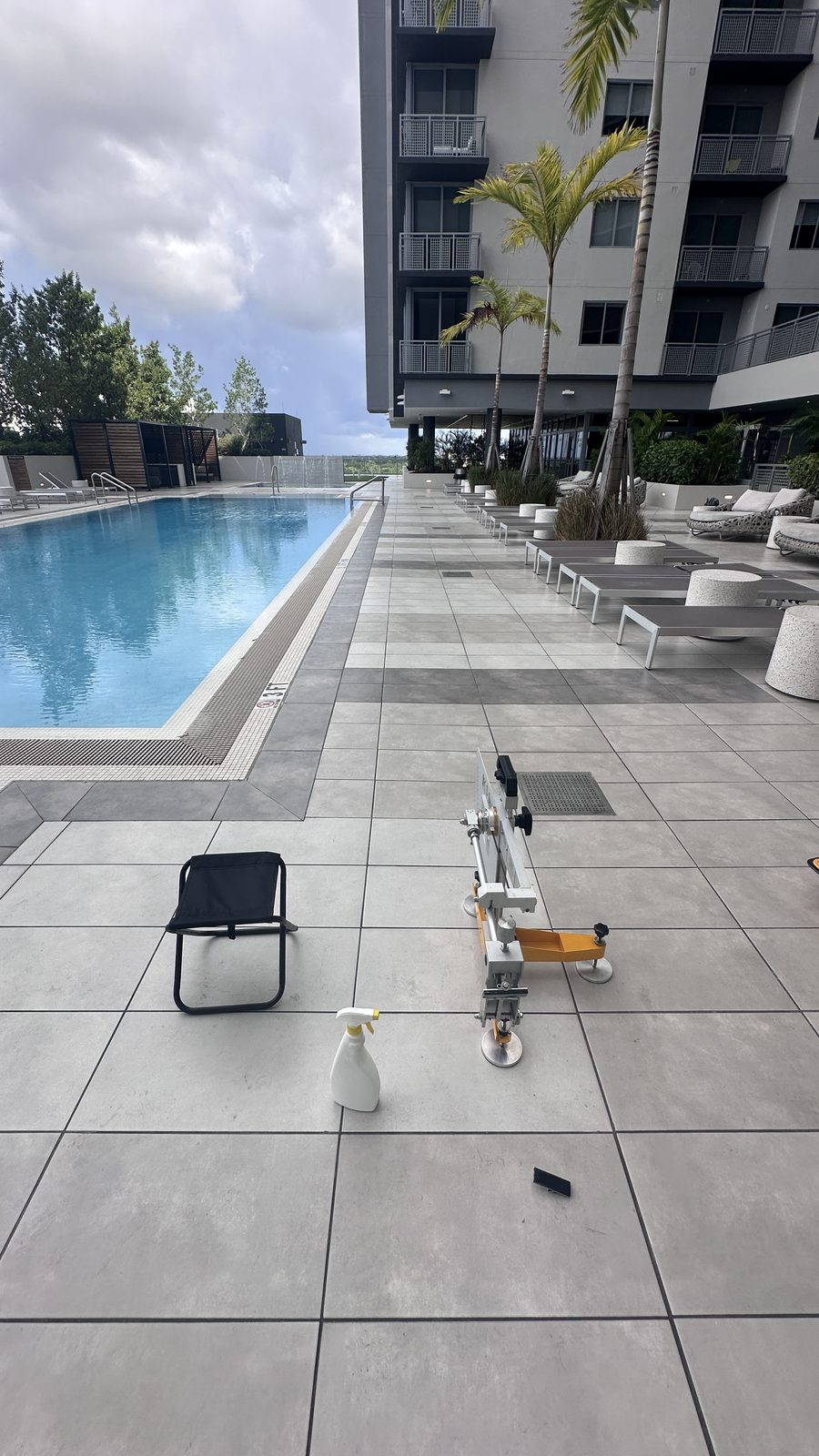
Pool decks and splash pads we have tested.
What does the ISPSC 2024 require for pool decks?
The 2024 International Swimming Pool and Spa Code references recognized slip-resistance methods for the wet walking surfaces around pools and spas. That’s a meaningful shift for designers, builders and operators. Because decks are perpetually wet and surround a body of water, they are among the highest-risk surfaces a property owner manages.
Which test suits a pool deck?
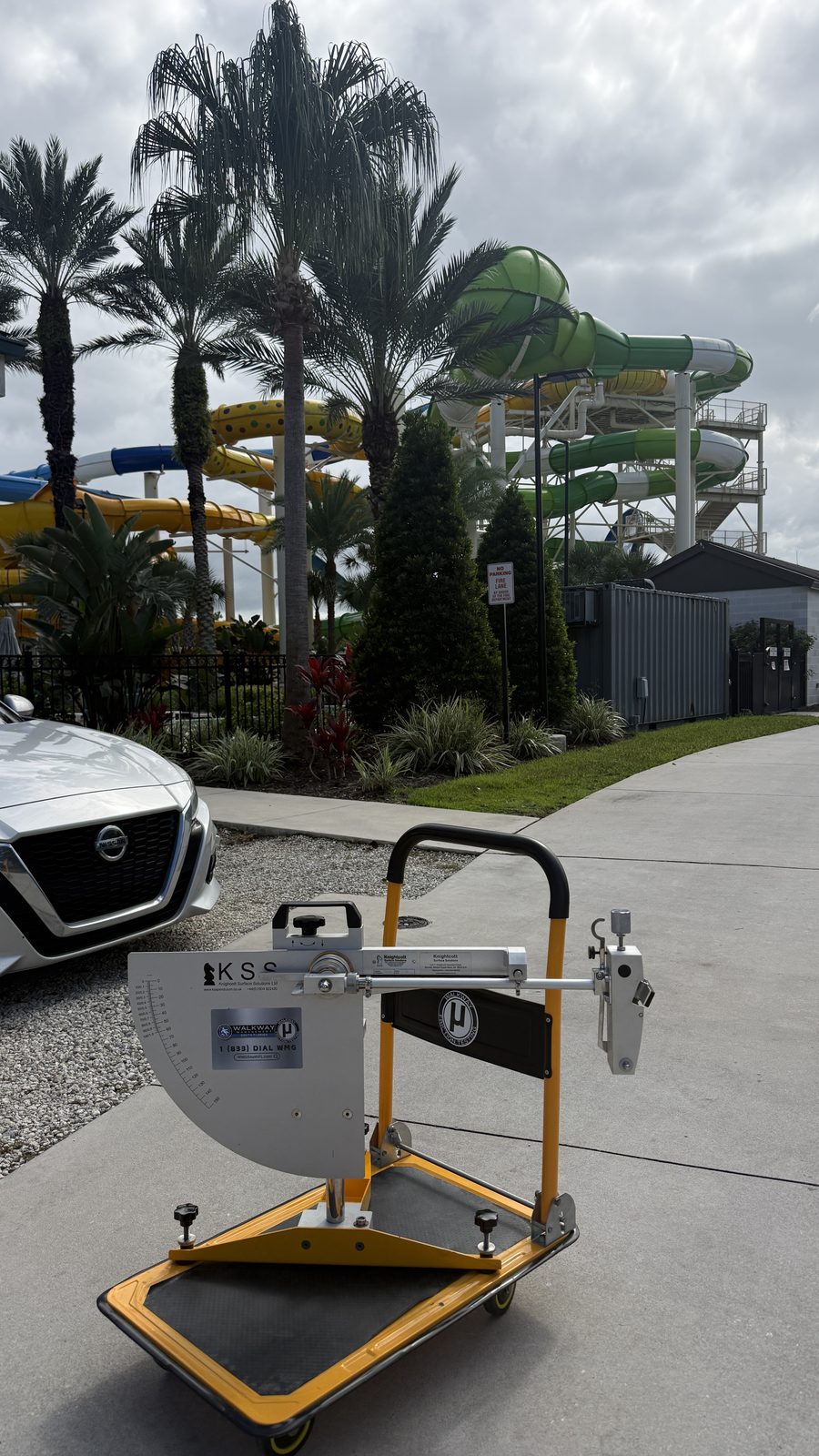
Wet, textured outdoor surfaces are exactly where the Pendulum Slip Tester (PTV) excels. It’s the method behind most international pool-deck research and pairs naturally with the wet condition a deck lives in. Where a specification calls for it, we also measure DCOF. Testing both closes any “wrong instrument” question.
Sealing and treating pool decks the right way
Travertine and paver pool decks must be sealed to survive the water, sun and pool chemistry, but a topical sealer can turn a grippy deck slick. Our StopSlip™ sealing uses penetrating products and, where it matters, we verify wet traction before and after. Sealing shouldn’t cost you traction. If it does, the sealer was wrong for the deck.
- Pendulum (PTV) and DCOF testing for decks, splash zones and wet surrounds
- ISPSC-aware documentation for operators and designers
- Penetrating sealing and traction treatment, verified by re-testing
- Programs for hotels, HOAs, municipal aquatics and residential decks
Common questions
Does the ISPSC apply to my existing deck?
Code adoption and applicability vary by jurisdiction and whether work is new or existing. We test to the referenced methods so your deck’s performance is documented either way; verify code applicability with your local official.
Can you lower the slip potential of a travertine deck without replacing it?
Usually yes. The right penetrating sealer or traction treatment, verified by testing, resolves most slippery-deck problems.
Do you test residential pool decks?
Yes. We test residential and commercial decks.
In the field
Where the pendulum earns its keep.