Industries · Senior Living
Floor Safety for
Senior Living Communities
A fall is the highest-consequence event in senior living — for the resident’s health and for the operator’s liability. Regulators and plaintiff attorneys both know it. Measured floors are a frontline defense.
Why slip resistance is a resident-safety issue
Older adults fall more often and are injured more severely when they do. In a senior living setting, a slippery bathroom floor or a freshly mopped dining room is a genuine hazard for the people you’re responsible for, long before it becomes a legal problem. Wet PTV and DCOF testing identify the surfaces most likely to cause a fall, so remediation can be prioritized by real risk rather than by complaint.
The highest-risk surfaces in a community
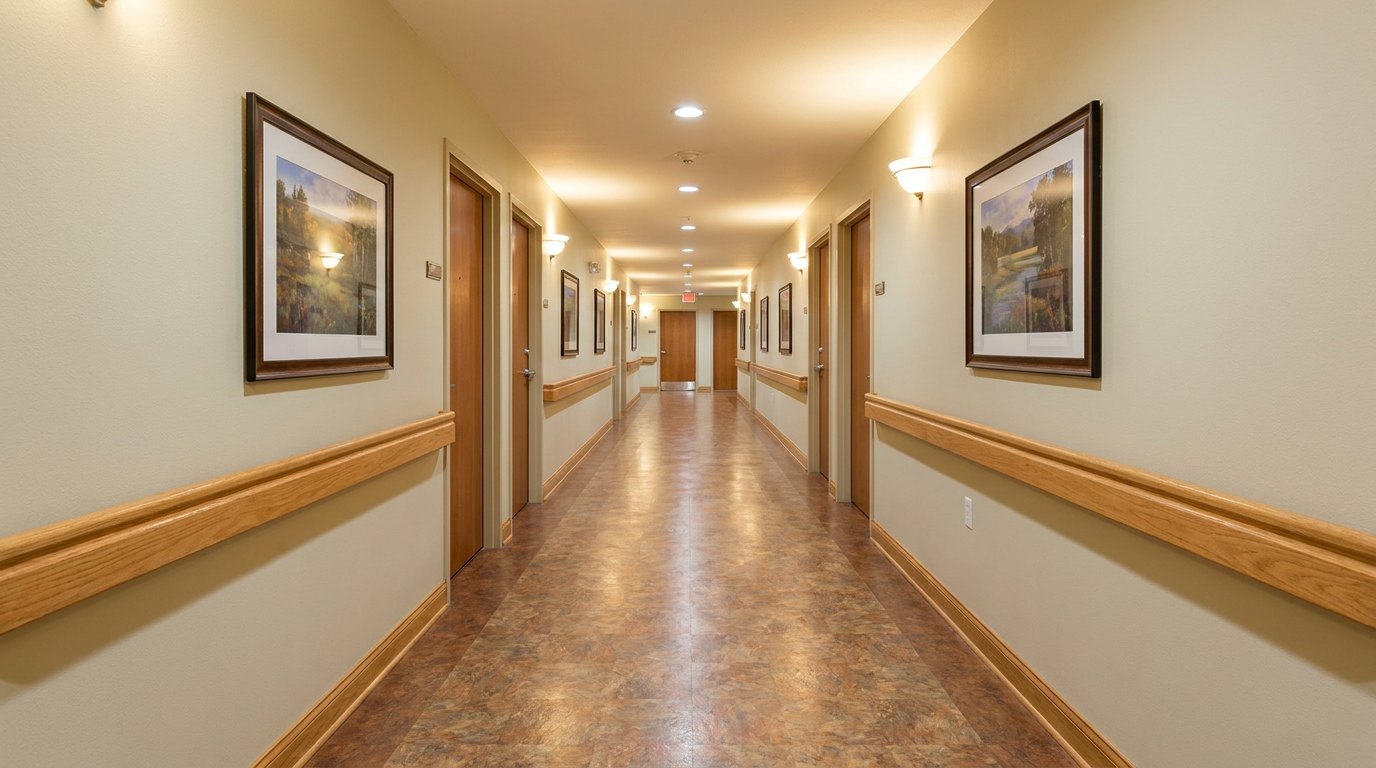
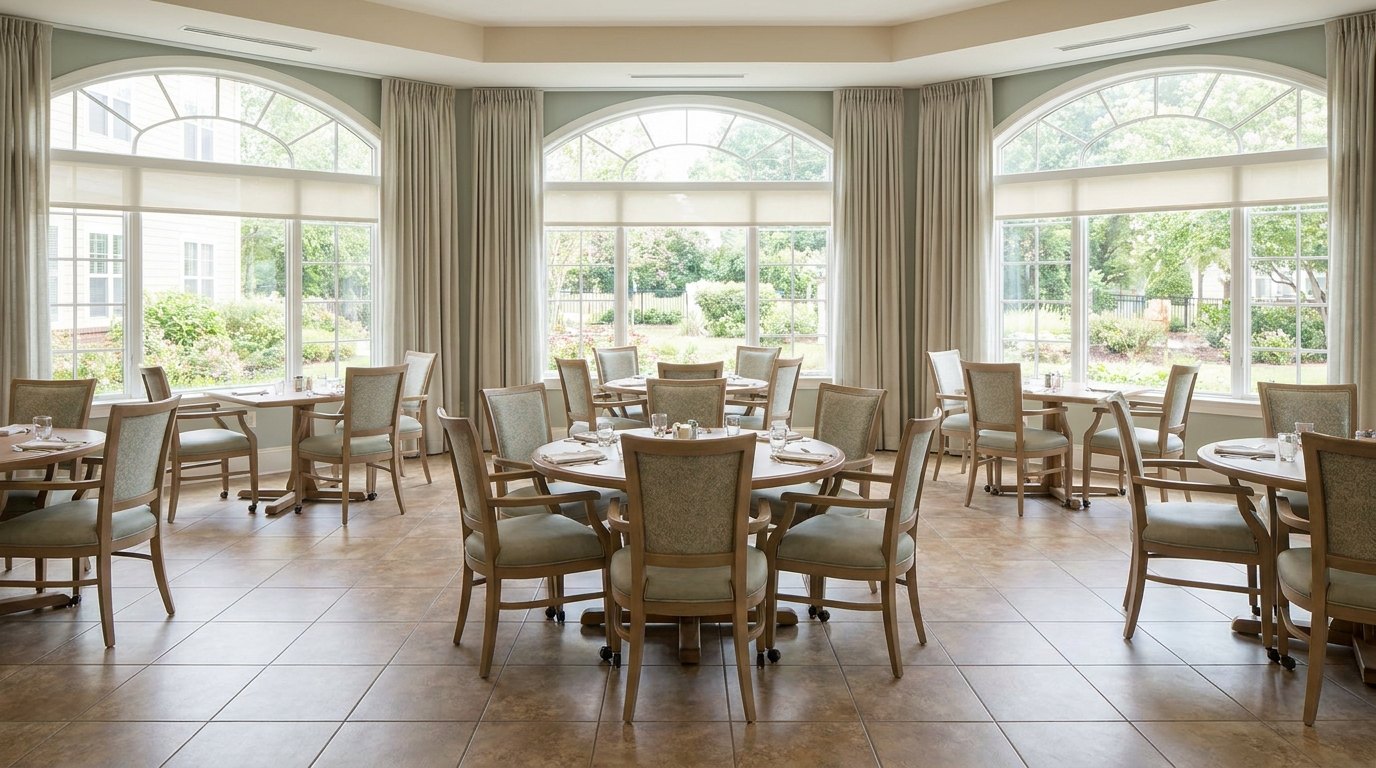
Bathing and toileting areas, dining rooms during and after cleaning, entryways in wet weather, therapy rooms, and transitions between flooring types are where senior-living falls cluster. Many involve water and smooth surfaces, the exact combination slip testing is designed to catch. Traction treatment on these zones can raise wet slip resistance without the disruption or cost of replacing flooring.
Documentation for survey and defense
Senior living operates under scrutiny from regulators and, when incidents occur, from plaintiff counsel. A floor safety program with scheduled testing and archived reports structured to the ASTM F2048-00 format provides documentation that supports both survey readiness and litigation defense: a record showing you monitor, measure and maintain your walking surfaces.
- Wet-condition testing focused on bathing, dining and transition areas
- Traction treatment verified by before-and-after testing
- Quarterly programs with trend tracking and archived reporting
- Priority post-incident response
This is general information, not legal advice; for your situation, talk with a licensed attorney.
Common questions
Can you test occupied communities without disruption?
Yes. Testing is quiet, non-destructive and scheduled around residents’ routines and care schedules.
Which floors should we prioritize?
Wet, smooth, high-traffic surfaces: bathing areas, dining rooms, entries. We help you triage by measured risk.
Does this help with our insurance and survey posture?
Documented, scheduled floor-safety testing supports both. Ask your carrier what risk documentation earns credit under your policy.
In the field
Where residents walk every day.