
The Ultimate Guide to Slip Resistance Testing: SCOF vs DCOF vs PTV
Slippery floors are among the top causes of slip and fall accidents in commercial, industrial, and public spaces. Ensuring a floor is safe to walk on isn’t just about appearances—it’s about proper testing. This guide breaks down the three main slip resistance testing methods used today: SCOF, DCOF, and PTV. By the end, you’ll know which method to trust, when to use it, and how to make informed decisions to keep people safe and reduce liability.
What Is Slip Resistance and Why It Matters
Slip resistance refers to the friction between a shoe (or foot) and the walking surface. The lower the friction, the higher the chance of a slip. Measuring this friction helps determine how likely a person is to slip when walking on a given surface—especially in wet or contaminated conditions.
Slip resistance is measured through standardized testing methods that assign a coefficient of friction (COF) to the surface. But not all COF values are created equal.
The 3 Main Slip Resistance Testing Methods
1. SCOF (Static Coefficient of Friction)
- Measures: How much force is needed to start moving a shoe from a standing position
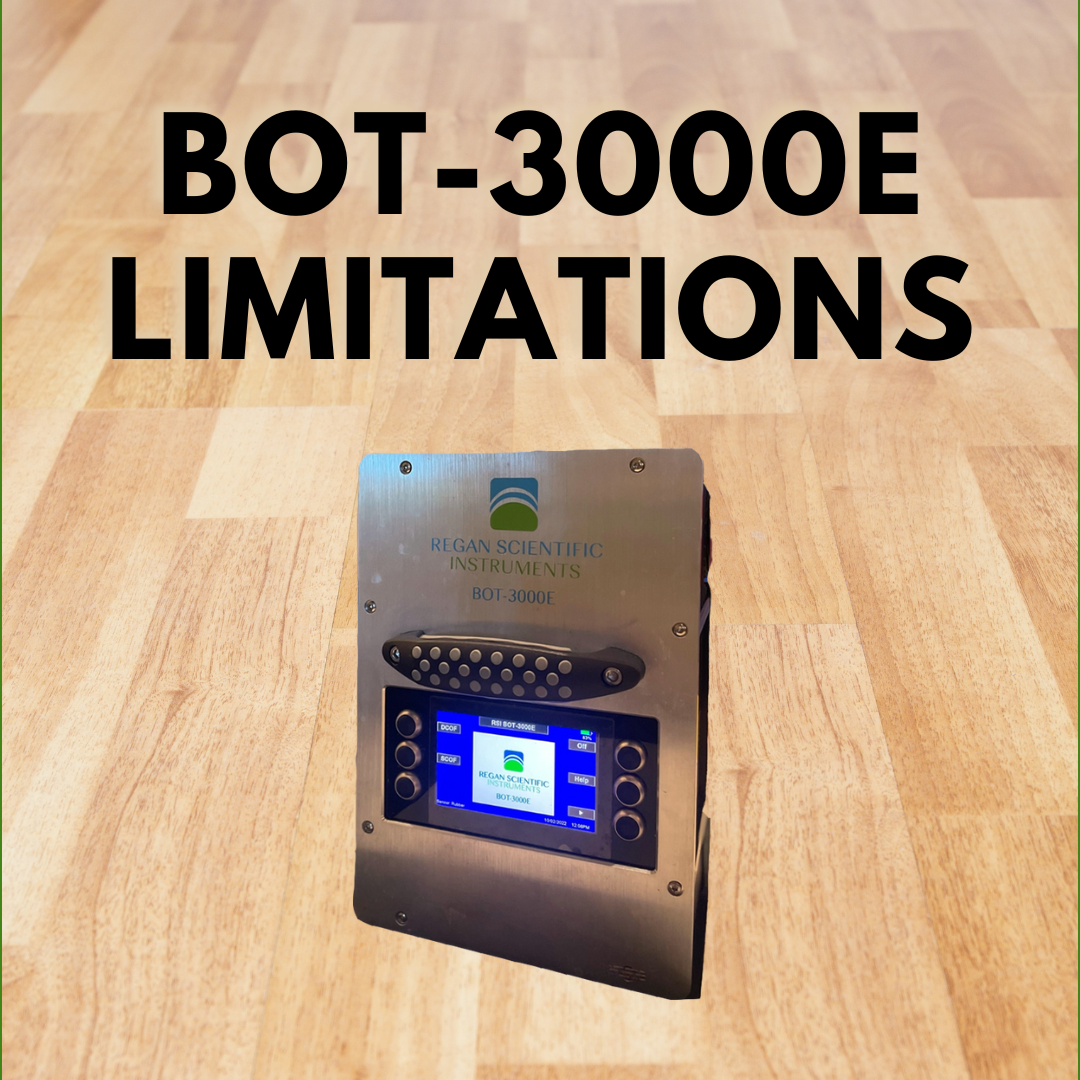
- Test Device: James Machine, ASM 825a, BOT-3000e, any pull-meter tribometers.
- Standards: ASTM C1028 (withdrawn), NFSI B101.1, ASTM D2047 (dry only)
- Common Threshold: varies with each standard, but usually 0.60 and higher is considered to have sufficient SCOF.
Why It’s Limited:
- Only measures standing still (not walking)
- Uses outdated testing methods from the 1940s
- Unless your risk management plan involves everyone standing perfectly still forever, this measurement adds little value.
Useful For:
- Floors designed exclusively for non-moving objects, such as warehouse shelving.
- Art installations, monuments, and statues with no gait cycle.
- Situations where friction is theoretical and real-world walking is irrelevant.
2. DCOF (Dynamic Coefficient of Friction)
- Measures: Friction while the foot is moving across the floor
- Test Device: BOT-3000E, TracScan 2.0, Slip Alert, ASM 925a, and other drag-sled tribometers.
- Standard: ANSI A326.3, ANSI A137.1, NFSI B101.3
- Common Threshold: 0.42 (wet surfaces)
Strengths:
- Measures real motion (walking)
- Can be performed in the field
- Good for comparing surfaces
Limitations:
- Can give false positives on polished surfaces
- Can underreport traction on gritty, textured surfaces
- ANSI A326.3 Standard itself says: “This test does not predict the likelihood a person will or will not slip.” in other words… the number is useful, just no for predicting slipping.
Used For:
- Product comparison and QC
- Indoor floor evaluations
3. PTV (Pendulum Test Value)
- Measures: Simulates a slipping foot using a swinging rubber slider
- Test Device: British Pendulum Tester
- Standard: ASTM E303, AS 4586, AS 4663, CEN/TS 1615, BS 7976-2
- Safe Threshold: Generally a PTV of 36 or higher is considered to have a low risk of slippage.
Strengths:
- Predicts real-world slip risk
- Used globally in legal and safety contexts
- Works on wet, oily, and outdoor surfaces
Limitations:
- Requires trained operator
- Less known in the U.S. (basically popular everywhere except the place with the most slip-and-fall lawsuits.)
Used For:
- Forensic investigations
- Legal defense and litigation support
- High-risk areas (kitchens, pools, ramps, etc.)
Which Slip Test Should You Use?
| Scenario | Best Test | Why |
|---|---|---|
| Polished lobby floor | PTV + DCOF | DCOF may overrate safety; PTV reveals real risk |
| Commercial kitchen | PTV | Best for greasy, wet, textured surfaces |
| Product comparison | DCOF | Consistent benchmarking for manufacturers |
| Litigation / accident investigation | PTV | Preferred in legal cases for predictive validity |
| At a circus | SCOF | so everyone can laugh and laugh |
Slip resistance testing is not one-size-fits-all. The method you choose should match the flooring material, the environment, and the safety goals. While SCOF and DCOF have their roles, their very limited roles, the British Pendulum Test (PTV) stands out as the most predictive and reliable method for assessing slip risk in the real world.
If you’re serious about floor safety—whether you’re a facility manager, safety consultant, or architect—make sure you’re using the right test for the right surface.
Need help choosing the right test or want a professional evaluation of your floors? Contact us at info@wmgsouthfl.com to schedule a slip resistance assessment.