

The Truth about the BOT-3000E
Before we proceed, fair warning: this article goes beyond surface-level discussion. We’re going to get into the mechanics of friction testing, the physics of textured vs. polished surfaces, and how the ANSI A326.3 standard—commonly performed with the BOT-3000E tribometer or sometimes with the TracScan 2.0—can yield misleading or counterintuitive slip resistance results. If you’re an architect, flooring specifier, risk manager, safety consultant, or attorney involved in slip-and-fall litigation, this breakdown is for you.
What Is ANSI A326.3 and the BOT-3000E?
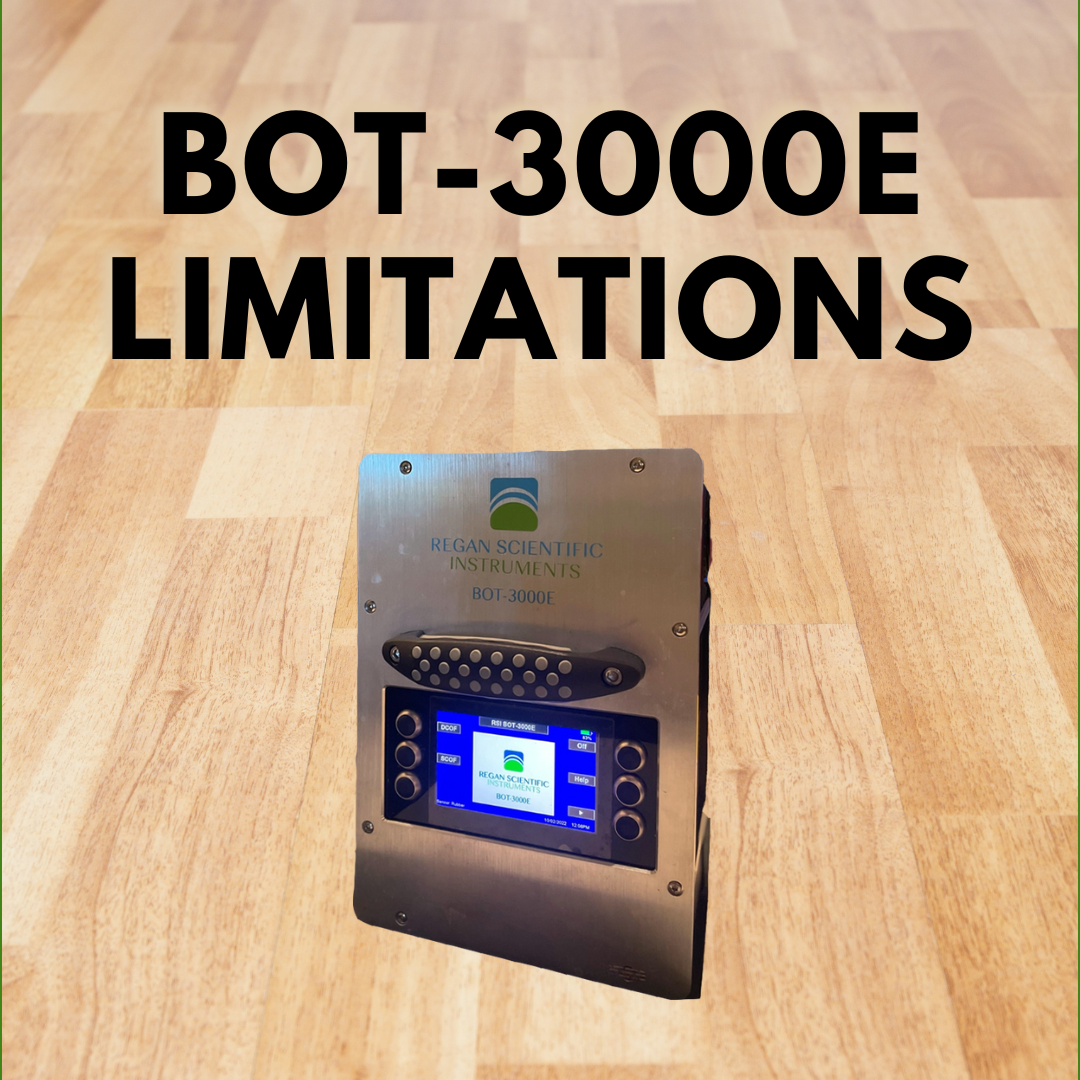
The ANSI A326.3 standard provides a protocol for measuring the Dynamic Coefficient of Friction (DCOF) on hard flooring surfaces. The most commonly used instrument for this test is the BOT-3000E, a digital tribometer that drags a rubber test foot across the floor while collecting real-time friction data.
-
The test uses a standard SBR rubber slider.
-
The test surface is wetted with a 0.05% Sodium Lauryl Sulfate (SLS) solution.
-
The BOT collects friction values during the stroke and produces an average DCOF score.
A result of DCOF ≥ 0.42 is considered acceptable for level interior floors expected to be walked on when wet.
But here’s the critical issue: not all floors behave the same under this test, and in many real-world applications, the results can be misleading—both overestimating and underestimating slip risk.
Problem #1: Textured, Gritty Floors Often Score Too Low
Textured floors—such as broadcast epoxy flake, quartz systems, or anti-slip profiles—are engineered to maximize traction underfoot, especially in wet or greasy environments. Ironically, these are the exact types of surfaces that often produce low DCOF scores with the BOT-3000E.
Why? Well, the BOT’s rubber slider does not glide over a uniform plane surface. It physically interacts with the peaks and valleys of the textured surface. The bigger the peaks, the greater the valleys, the more problematic the number.
-
As it climbs a peak, resistance increases.
-
As it drops into a valley, resistance decreases.
-
The BOT then averages these high and low values.
This averaging reduces the final DCOF score, often underreporting the actual traction a person would experience while walking. It’s a mechanical artifact—not a reflection of unsafe flooring.
But this isn’t some great conspiracy, it’s stated in the ANSI A326.3 standard’s introduction:
Further, while structure (e.g. three-dimensionally patterned or profiled surfaces) can assist in drainage, break the film of the contaminant, and mechanically impede slipping, such surfaces can produce misleading measured DCOF values due to test device constraints. -A326.3-2021 Page 1
Real-world example:
A properly installed anti-slip epoxy floor in a commercial kitchen may score 0.37–0.40 with the BOT, even though it provides superior traction under foot pressure, especially in contamination-prone environments.
Problem #2: Highly Polished Floors Often Score Too High
High-gloss surfaces—such as polished marble, granite, polished concrete, or terrazzo, certain waxes and coatings—often produce DCOF scores well above 0.50, suggesting excellent traction. However, these readings can be deceptively high, especially in wet conditions.
The reason lies in surface porosity.
On extremely smooth, non-porous surfaces:
-
Water is unable to remain beneath the rubber slider.
-
As the slider moves, it squeegees the liquid out ahead of itself.
-
The test foot ends up contacting a nearly dry surface, leading to artificially high friction values.
This is especially common on waxed or coated floors, where surface tension prevents fluid retention. The BOT is no longer measuring wet slip resistance—it’s measuring dry rubber-on-dry surface interaction, which naturally exhibits higher friction.
The danger: A DCOF of 0.55 on paper may suggest a safe surface, while in real life, the floor becomes extremely hazardous when actually wet, especially with hard-soled footwear or in fast-paced environments.
Why These Errors Matter
When the BOT-3000E delivers false negatives on textured floors and false positives on polished ones, the implications extend beyond data:
-
Specifiers may reject safe, high-friction floors because the numbers don’t hit the target.
-
Facility owners may assume a glossy floor is compliant, despite frequent slip incidents.
-
Insurance carriers and forensic experts may rely on test results that lack predictive validity.
ANSI A326.3 itself acknowledges this in its introductory language:
“This test does not predict the likelihood a person will or will not slip.” -A326.3 2021 – Page 1
That’s not just a disclaimer—it’s a clear signal: the BOT test is a benchmarking tool, not a safety verdict.
A Better Path: Use A326.3 for Comparison, Not Certification
Despite its limitations, ANSI A326.3 is valuable—if used correctly.
-
It provides a controlled, repeatable method to compare different flooring materials using consistent equipment and conditions.
-
It is useful for monitoring changes over time, such as wear, surface treatment failure, or contaminant buildup.
-
It can be conducted in the field, making it practical for post-installation evaluations and ongoing quality control.
But when safety is on the line—especially in wet, sloped, or high-traffic areas—DCOF values alone are not sufficient.
Supplemental Testing: The Role of the British Pendulum
The British Pendulum Tester, standardized globally (HSE UK, AS/NZS, ASTM E303), simulates heel strike and is far less affected by surface porosity or microtexture. It offers predictive correlation with human slip events, making it a more reliable tool in forensic safety assessments and litigation support.
While the BOT-3000E is optimized for benchmarking, the Pendulum is optimized for risk evaluation.
Conclusion: Know What the Numbers Really Mean
ANSI A326.3 and the BOT-3000E are not obsolete. They are valuable tools for product comparison and maintenance tracking. But understanding their limitations is essential for anyone tasked with specifying safe floors or defending against slip-and-fall claims.
-
Textured surfaces may test low—but perform well.
-
Polished surfaces may test high—but still cause slips.
-
DCOF ≥ 0.42 is not a safety promise—it’s a baseline benchmark.
For a complete picture, test the floor as it is used—with the right tool for the job.