
The Truth About 0.50 SCOF: Ancient Slip Testing Standards
One Little Number That’s Caused a Lot of Confusion
You might’ve heard that a floor is “safe” if it has a slip resistance of 0.50. That number shows up in court cases, on cleaning products, and in safety manuals.
But here’s the thing: that number is severely outdated.
It came from a test done in the 1940s. Back then, it made sense. Today? Not so much. It’s like using an old flip phone in a world full of smartphones.
Let’s break it down.
Where Did 0.50 Come From?
In 1945, a scientist named Sidney James wanted to figure out what made a floor slippery. He worked at Underwriters Laboratories and built a machine to measure how slippery floors were.
The test measured how much grip there was when your shoe wasn’t moving—this is called static friction. He tested waxed floors (like you’d find in old grocery stores) and came up with a rule: if the floor had 0.50 or more, it was considered “safe.”
But here’s the catch:
-
This only worked on dry floors.
-
It only applied to waxed floors, not tile, concrete, or stone.
-
It only measured when a foot was standing still—not walking.
And guess what? People don’t slip while standing still ON DRY FLOORS!
Why the Old Test Doesn’t Work Anymore
Today, we have different floors, different shoes, and way more foot traffic. Wet floors, oily kitchens, and smooth tiles are everywhere. The old yet still active standard ASTM D2047 that measures for a 0.50 dry SCOF with the James Machine simply can’t keep up.
Also:
-
It doesn’t test what really causes falls: slipping while walking.
-
It doesn’t work on most modern flooring materials.
-
It’s no longer recommended by modern safety experts.
So, if someone tells you 0.50 means a floor is safe—they’re stuck in the past at best, or a devious liar at worst.
What Matters Now: Testing Slippery Floors the Right Way
Today, experts use better tools to test floors. The most trusted one is called the British Pendulum Test (ASTM E303). It swings a rubber “foot” across the floor to see how slippery it is—just like a real foot slipping.
Here’s what the results mean:
-
36 or higher = safe when wet
-
Less than 36 = watch out! The lower the number, the higher the risk!
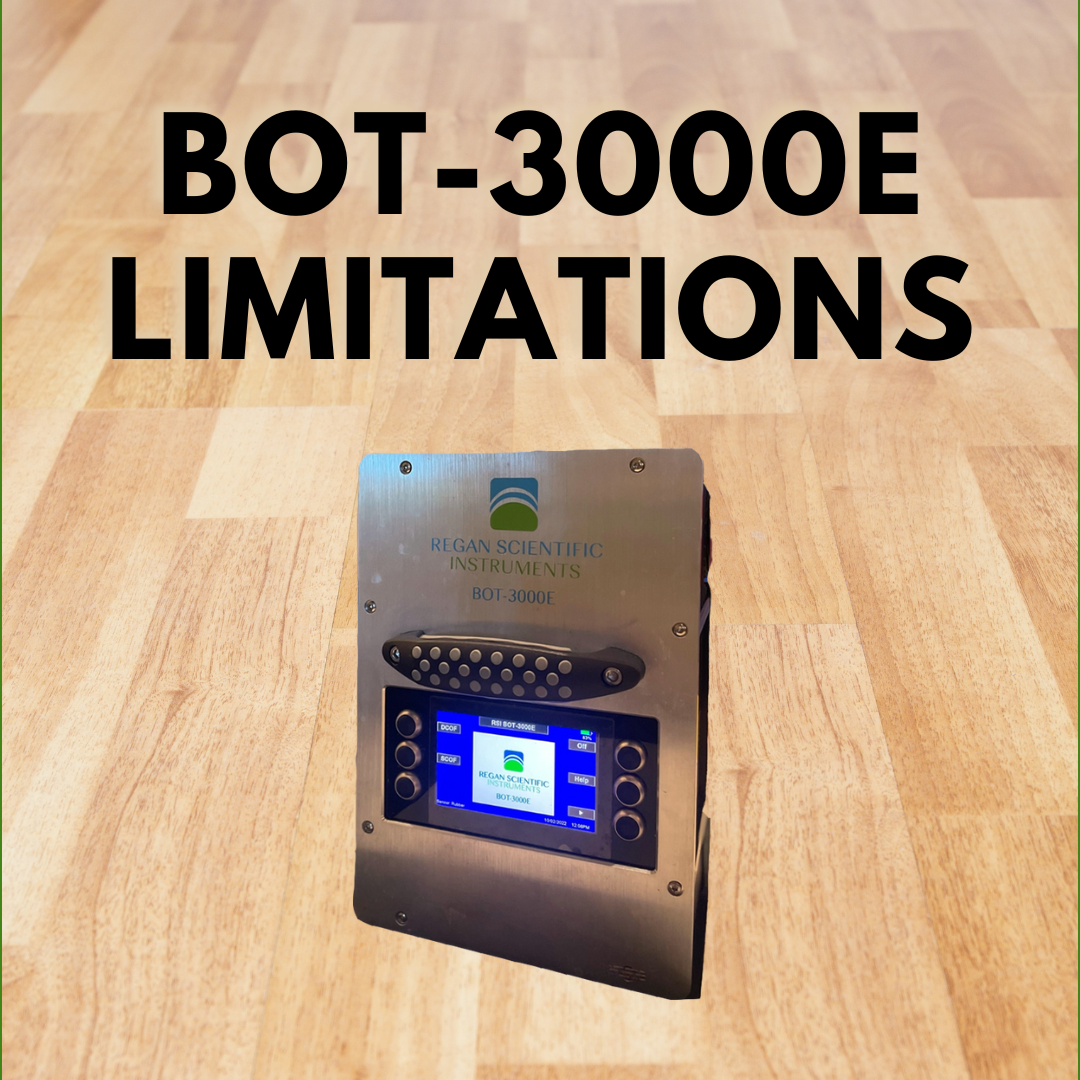
There’s also another tribometer called the BOT-3000E that gives a number called DCOF (Dynamic Coefficient of Friction). According to the ANSI A326.3 it is useful for comparing surfaces and monitoring changes over time, however, it should not be used to determine if a floor is safe or not.
These modern tests measure real-world slipping, not just standing on a dry floor.
So Why Are People Still Talking About 0.50?
Good question. Mostly because it’s been around so long, it shows up in old safety manuals and court cases. But just because it’s old doesn’t mean it’s right. It honestly blows my mind that the James Machine is still being used to this day as a safety test.
Imagine if a doctor still used 1940s tools to treat you. You’d want a second opinion, right?
Same here.
The Bottom Line: Use the Right Tests, Not the Old Myths
Here’s what you really need to know:
✅ 0.50 is old news. It only measured standing still on dry waxed floors.
✅ Today, slips happen while walking—especially on wet floors. Not really sure if the early 1900s slips were happening on dry floors while people were standing still… I doubt it.
✅ Use the Pendulum Test (ASTM E303) to determine how safe your floor is.
✅ A floor is safe when wet if:
-
Pendulum Test Value (PTV) is 36 or higher
If you’re building, cleaning, or managing floors—and you want to prevent slips and lawsuits—don’t rely on the 0.50 number. It’s out of date and can give a false sense of safety.
For more information on slip testing, you can reach out to us at info@wmgsouthfl.com.