
Why Should I Test My Floor?
In public spaces, property owners are responsible for maintaining safe walking surfaces. Whether it’s employees, customers, or any pedestrian, if a surface is unreasonably slippery and someone falls, the liability falls squarely on the property owner.
You can’t defend what you didn’t measure. In court, “the tile looked rough” or “we thought it was fine” isn’t a valid excuse. The only defensible position is one backed by objective, standardized slip resistance testing.
What Types of Floors Should Be Tested?
The appearance or texture of a surface means nothing without real data. Rough-looking tile around pool decks? It might still be a slip-and-fall waiting to happen. Every type of floor — ceramic, porcelain, concrete, stone, vinyl, wood, even metal — should be tested for slip resistance, especially in wet or transitional zones.
Ask yourself:
Would this hold up in court?
You: “Your honor, the floor felt rough. We assumed it was safe.”
Judge: “Was it tested using an internationally recognized safety standard?”
You: “No.”
You can guess how that plays out.
Floor Safety Standards
When it comes to actually assessing the risk of slipping, the British Pendulum Tester (BPT) is the most accurate, court-defensible method available.
Why? Because it:
-
Simulates real human slips (heel-strike motion, not static friction).
-
Works in wet, dry, contaminated, or inclined conditions.
-
Is trusted worldwide — used in aviation, transit, legal courts, and insurance claims.
-
Provides Pendulum Test Values (PTVs), with scores above 36 indicating low slip risk in wet conditions.
This is the tool you want when lives — and lawsuits — are on the line.
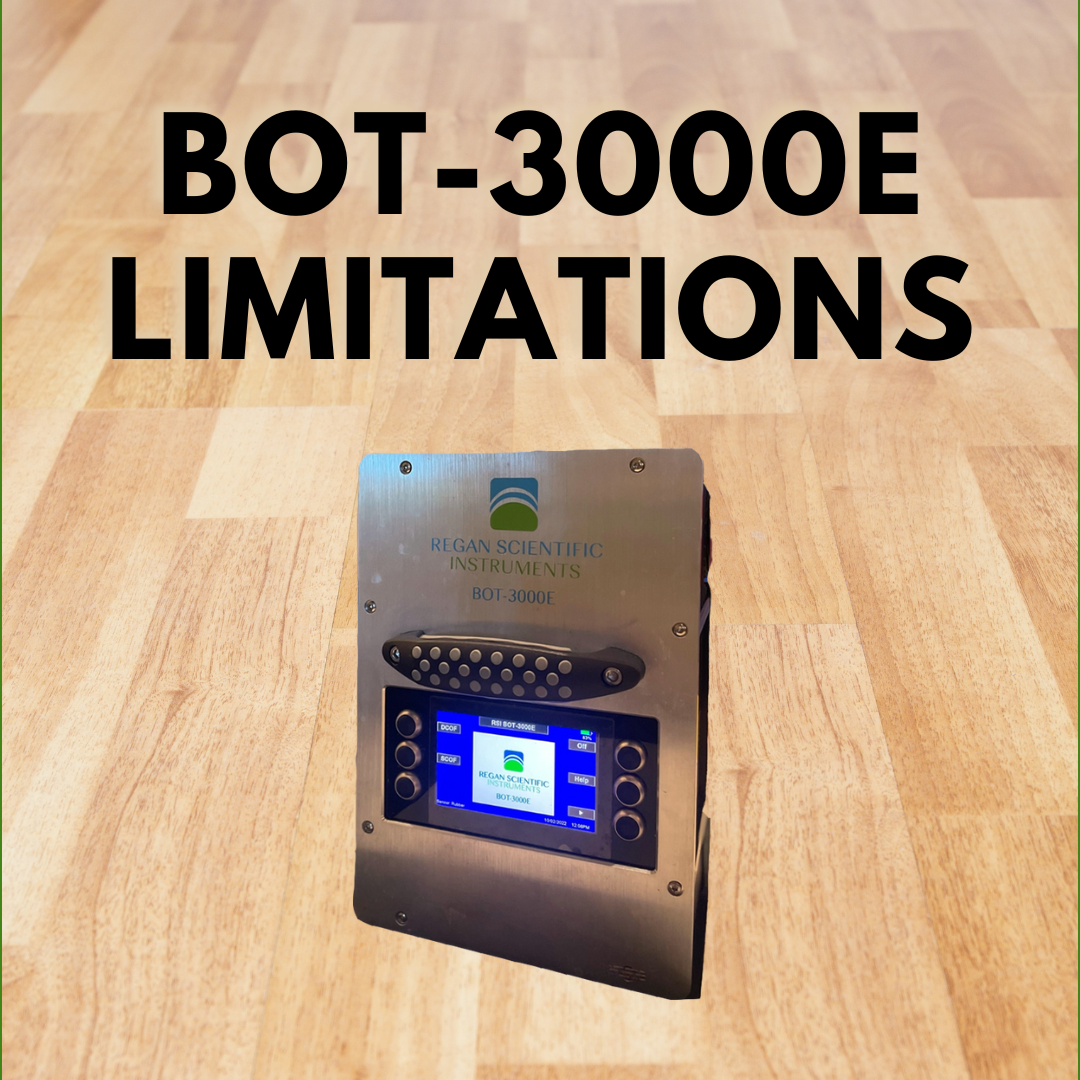
While many in the U.S. default to the BOT-3000E because it’s cited in ANSI A326.3 and A137.1 for ceramic tile, it’s important to understand what this device does — and doesn’t — do:
-
✅ It’s useful for tracking DCOF changes over time due to wear, maintenance, or cleaning chemicals.
-
❌ It does NOT accurately simulate human slips.
-
❌ It only tests on flat, indoor ceramic tiles under lab conditions.
-
❌ Its DCOF threshold of 0.42 has no proven correlation to real-world slip risk.
So, while the BOT-3000E can help you monitor floor consistency, it should not be used to determine whether a floor is safe. That’s what the Pendulum is for.
Cost of Testing
Walkway Management’s system for slip resistant testing is accompanied with a fully detailed report that is fully compliant with the ASTM F1694-14 “Standard Guide for Composing Walkway Surface Investigation, Evaluation and Incident Report Forms for Slips, Stumbles, Trips and Falls.”
This report can and should be used in the court of law, demonstrating due diligence in being proactive in ensuring a safe walkway for your employees and customers. Having this report can save you several thousands of dollars in lawsuits.
According to the Centers for Disease Control and Prevention (CDC), the average hospital cost of a slip and fall accident is $40,000. The cost of slip testing is extremely small in comparison.
For more information about slip testing, please contact us at info@wmgsouthfl.com.