SCOF vs. DCOF: The Epic Battle of Friction Measurement
SCOF vs. DCOF: Choosing the Right Slip Resistance Test
Welcome to the slippery world of floor safety, where two acronyms—SCOF and DCOF—have long competed for relevance. At Walkway Management South Florida, we believe it’s time to set the record straight and explain which method really protects people (and property) from slip-and-fall incidents.
SCOF: The Static Relic
Static Coefficient of Friction (SCOF) is the original metric for measuring slip resistance. It calculates how much horizontal force is needed to move a stationary object. That may sound useful, but here’s the problem: people don’t slip while standing still.
Historically, a SCOF value of 0.5 was considered safe, but that was based on outdated assumptions. In reality, most falls happen while someone is in motion—not frozen in place.
DCOF: The Real-World Solution
Dynamic Coefficient of Friction (DCOF) is a much more practical measurement. It simulates how a person actually walks and slips—especially on wet or contaminated floors.
Here’s the key: DCOF isn’t just about data—it’s about predicting real-world slip risk.
Why the British Pendulum Test (ASTM E303) Is the Best Way to Measure DCOF
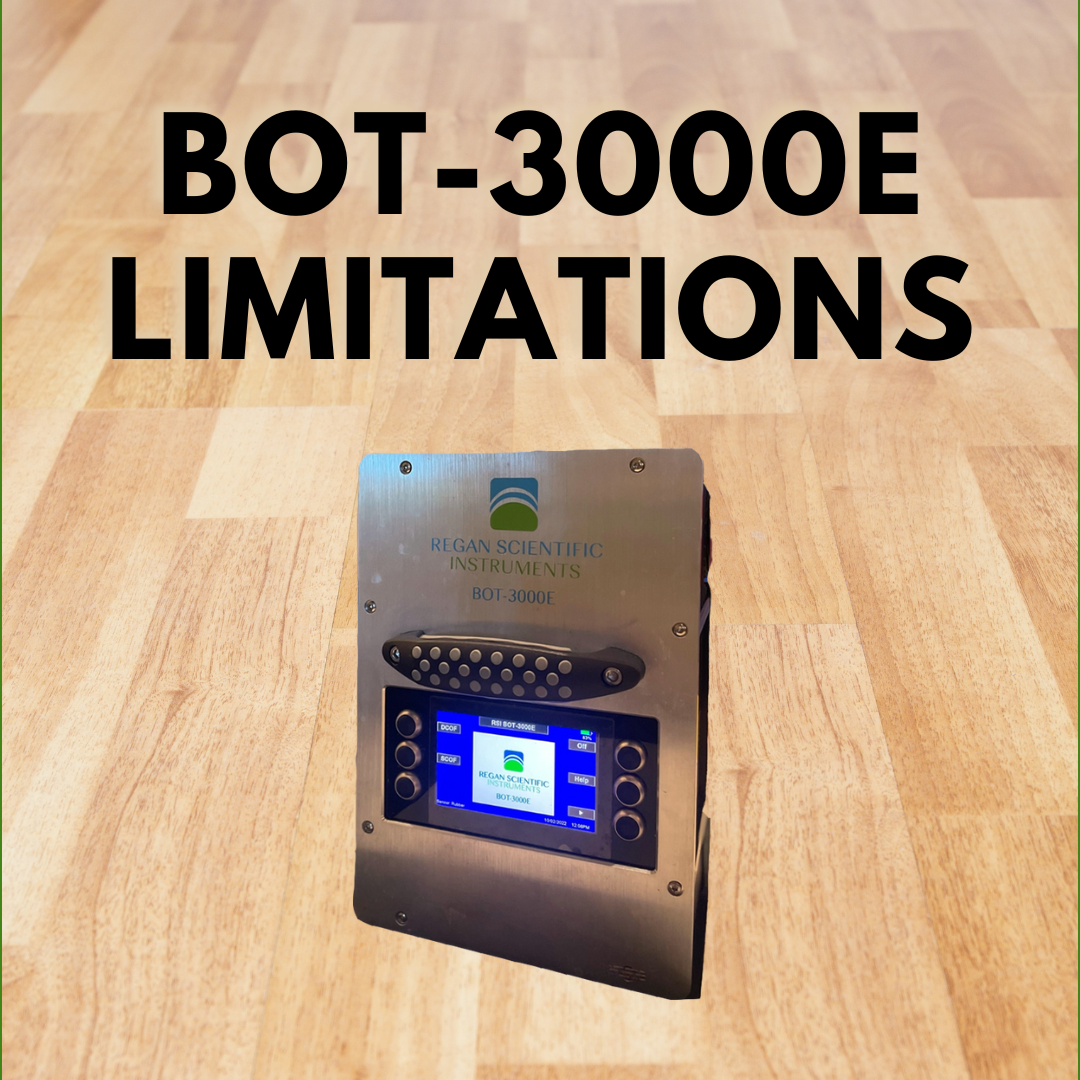
While DCOF can be measured using devices like the BOT-3000E, the British Pendulum Tester (BPT)—defined under ASTM E303—remains the gold standard for assessing slip resistance in real-world conditions.
- It simulates a heel strike, just like how slips actually occur.
- It works on wet, dry, inclined, or contaminated surfaces.
- It’s recognized globally and referenced in major building and pool safety codes.
At Walkway Management South Florida, we recommend using the Pendulum Test to establish baseline safety—especially for environments like pool decks, kitchens, lobbies, and ramps.
The BOT-3000E: Ideal for Monitoring Over Time
While the BOT-3000E is not the best choice for determining initial slip risk, it’s a valuable tool for tracking DCOF consistency after a floor is installed.
Use it to:
- Monitor surface changes caused by wear and tear, cleaning methods, or product buildup.
- Maintain compliance with standards like ANSI A326.3.
- Document changes and flag problem areas before accidents happen.
Think of the BOT as your maintenance tool, and the Pendulum as your risk assessment tool.
The Right Tool for the Right Purpose
Use the British Pendulum to determine if a floor is truly safe under realistic conditions.
- Use the BOT-3000E to check how that floor is holding up over time.
- Together, they provide a comprehensive view of slip risk—before and after installation.
Final Word: DCOF Over SCOF, Always
SCOF is outdated, and using it to declare a floor “safe” can lead to misleading conclusions—and accidents. DCOF reflects how people actually slip, and when it’s measured with the British Pendulum, it gives the most accurate, legally defensible results.
Ready to Slip-Proof Your Facility?
Contact Walkway Management South Florida to schedule your DCOF testing. We use both the Pendulum Test and BOT-3000E, so you get the full picture: initial safety and long-term performance.
Let’s make your floors safer—smartly and scientifically.